
Garment Construction Evaluation
-
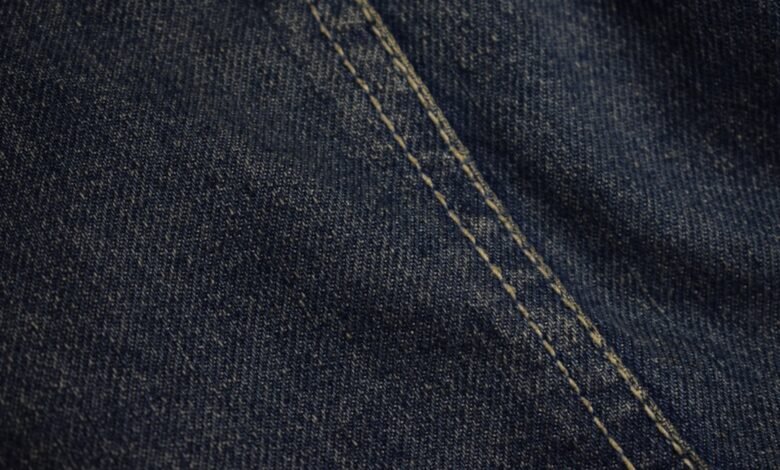
Why Trouser Seams Split: 3 Construction Details to Check
A side seam splits after three wears because the seam allowance is too narrow to hold, the stitches are too far apart to share the load, and the edge finish lets the fabric unravel. When that combination meets the sideways pull across hips and thighs, the weave pulls cleanly away from the stitch line. Side seams carry 3-4x more cross-grain…
Read More » -
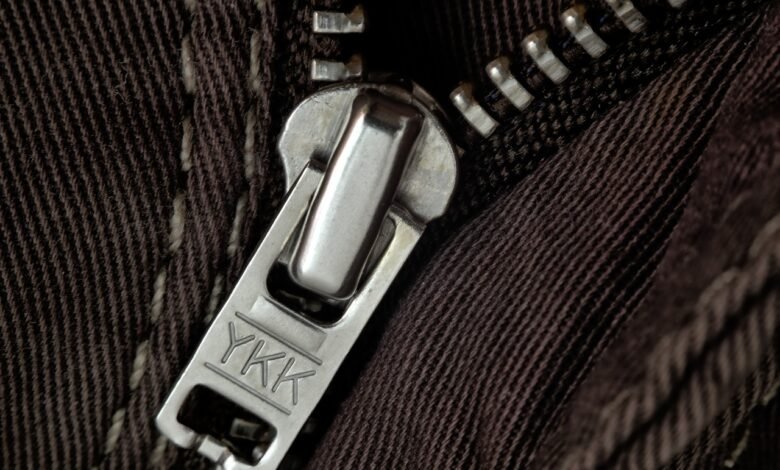
How Closure Hardware Attachment and Waistband Reinforcement Construction Predict Fastening Point Durability in Women’s Formal Trousers and Skirts
Formal trousers and skirts fail first at the waistband when hooks, buttons, and zippers are stitched only to fashion fabric instead of a load-bearing core. Durable pairs lock every closure into a reinforced sandwich: woven waistband tape or interfacing that carries tension, hardware bartacked through all layers, and zipper tape anchored deep in the seam. Without that backbone, the stress…
Read More » -
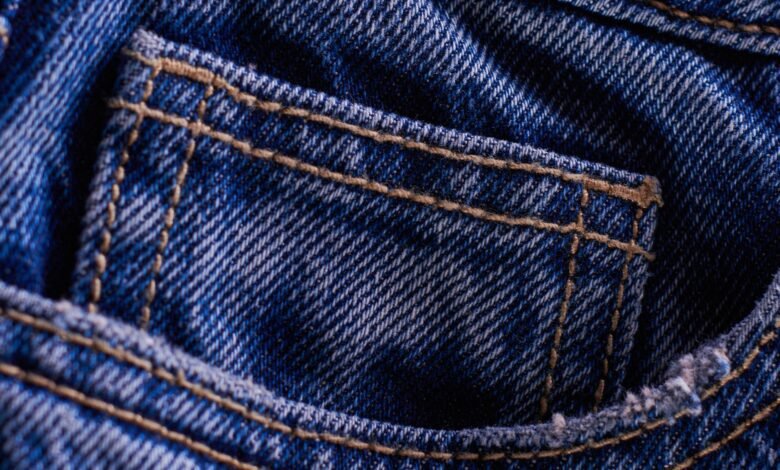
Seam Finishes: How They Affect Garment Quality & Durability
The finish inside a seam — French, flat-felled, bound, or serged — decides whether pull-stress tears fabric, pops stitches, or holds flat under movement. French seams fully enclose raw edges to stop fraying in lightweight wovens, flat-felled seams lock two stitch lines to spread shear across hips and shoulders, bound seams wrap edges in tape to tame bulk, and serged…
Read More » -
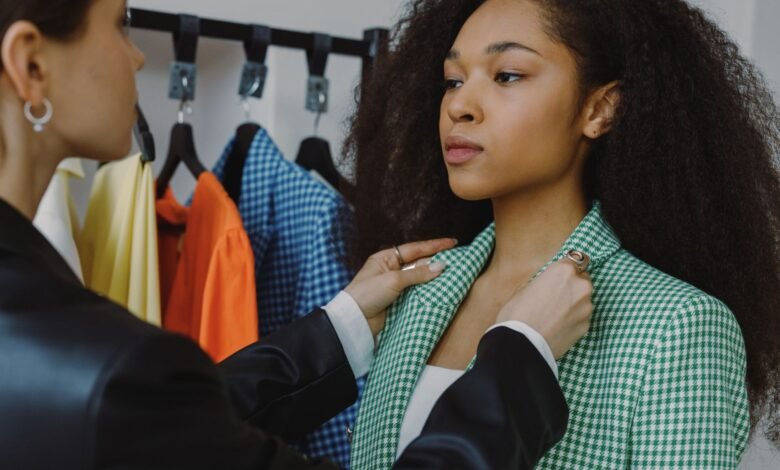
How to Check Blazer Shoulder Quality Before You Buy
The blazer that sags, dents at the shoulder point, and bubbles at the lapel after a few months is almost always failing in three places: a single-density foam shoulder pad, an empty or polyester-taped sleeve head, and a fused roll line. Long-life tailoring uses layered wool-felt or cotton-batted pads tapering 15-25mm, a 2-3cm lambswool sleeve head roll with eased fullness,…
Read More » -
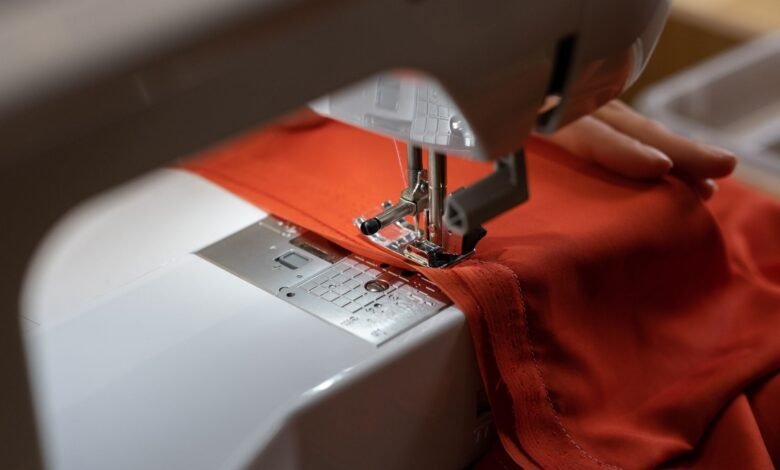
How Jacket Lining Construction Affects Fit Over Time
If your lined jacket pulls when you reach forward, rides up when you sit, or bunches and drags at the hem, the shell and lining are moving at different rates. The three details that predict that failure are lining attachment method, hem seam allowance, and whether the back lining has a release pleat. They control how much independent ease each…
Read More » -
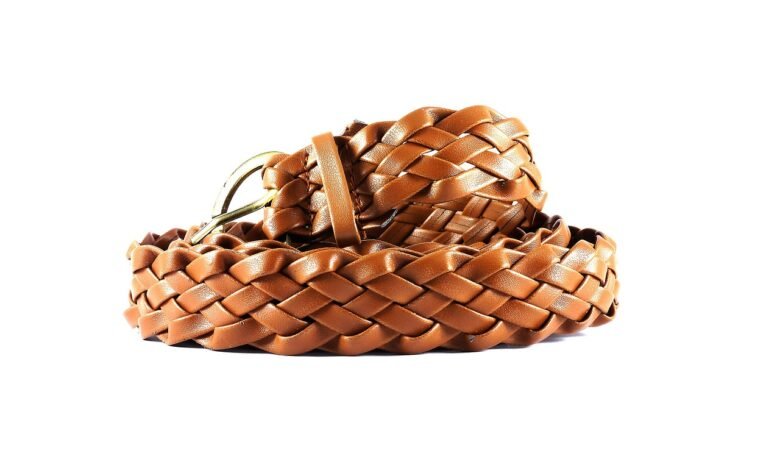
Fused vs. Sew-In Waistbands: How Construction Affects Shape and Durability
If your waistband ripples, folds over, or pulls away from your body after washing, it’s almost always fused interlining that has started to delaminate. A waistband that stays flat, keeps its height, and snaps back when you tug it sideways is almost always sew-in. It comes down to glue versus stitching, and how that bond survives heat, sweat, and laundry.…
Read More » -
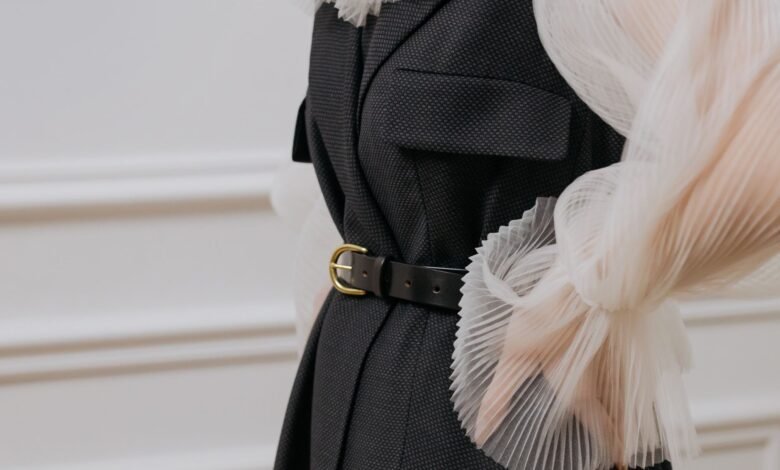
How Armholes, Sleeve Pitch & Shoulder Tape Affect Blazer Shape
A women’s blouse pulls and restricts when its armhole is cut too shallow and tight, its sleeve pitch is set straight instead of slightly forward, and its shoulder seam lacks stay tape. When those three are right — a 2-3 cm ease at the armhole, 5-8 degrees of forward pitch, and a stabilizing tape — the sleeve rotates with you…
Read More » -
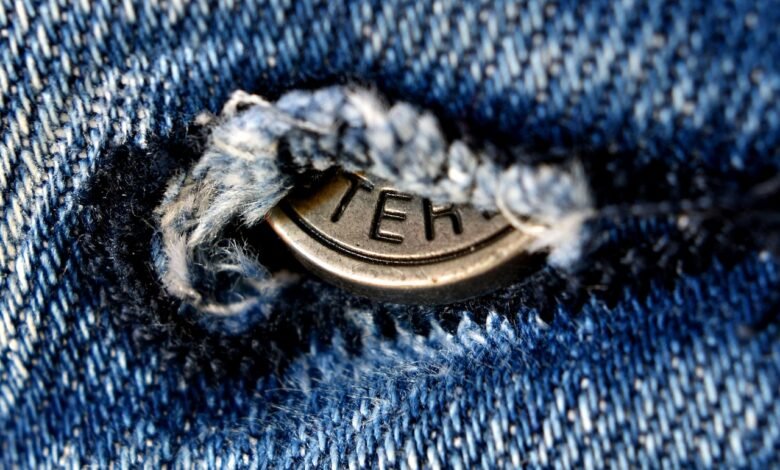
How Buttonhole Construction Reveals Jacket and Coat Quality
A bound buttonhole means couture construction, a dense machine-worked hole means solid mid-tier quality, and a hand-worked hole with gimp means true bespoke. If you can read which one you are seeing in two seconds, you can predict interfacing, seam finish, and lifespan without the tag. That works because buttonholes are the most time-intensive closure to automate, so factories only…
Read More » -
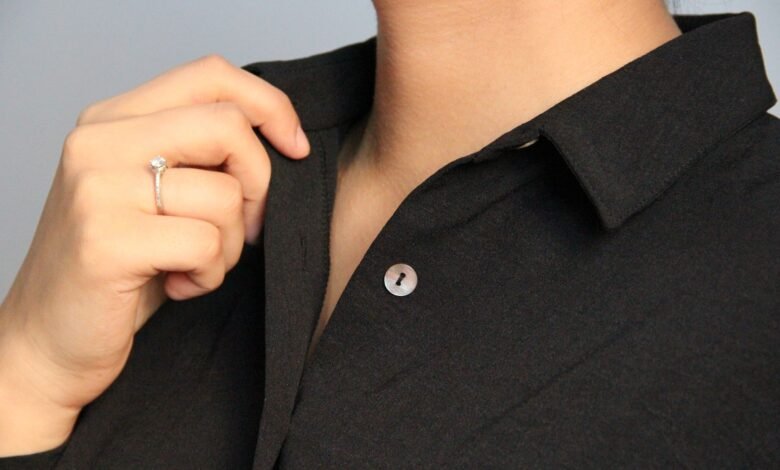
How to Diagnose a Wilted Blouse Collar: Identifying Fused vs. Sew-In Interfacing and Attachment Method as the Key Predictors of Wash-Cycle Shape Retention
If your blouse collar wilts, curls at the points, or lifts from the neckline, you are almost always looking at low-grade fused interfacing and a single-row edge stitch. Pinch the collar: if it feels like one stiff papery board, it’s fused; if two layers slide independently, it’s sew-in. The fused version fails because its heat-activated resin softens with washing, steam,…
Read More »