
Slow Fashion & Wardrobe Longevity
-
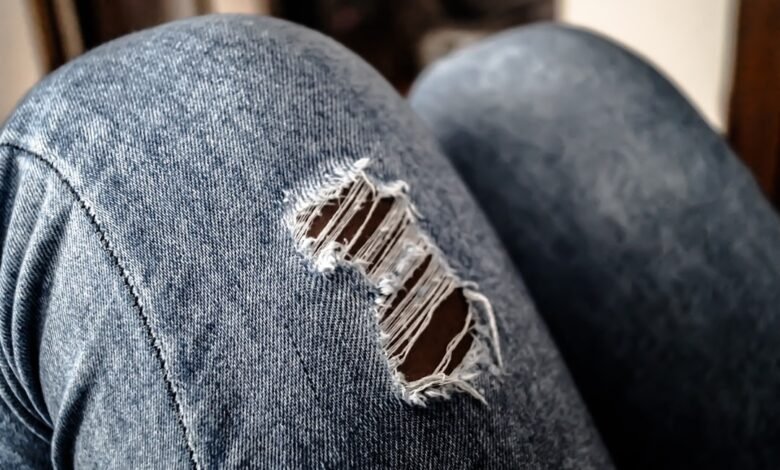
Why Do My Jeans Always Tear at the Crotch First?
Price alone does not decide when jeans tear at the crotch, construction and fit tension decide more than brand tier. The inner thigh rubs constantly and the center seam takes your full pull when you sit, so yarns thin and slip there first. That is why crotch fails before knees or hems, which bend but rarely rub hard together. Heavier…
Read More » -
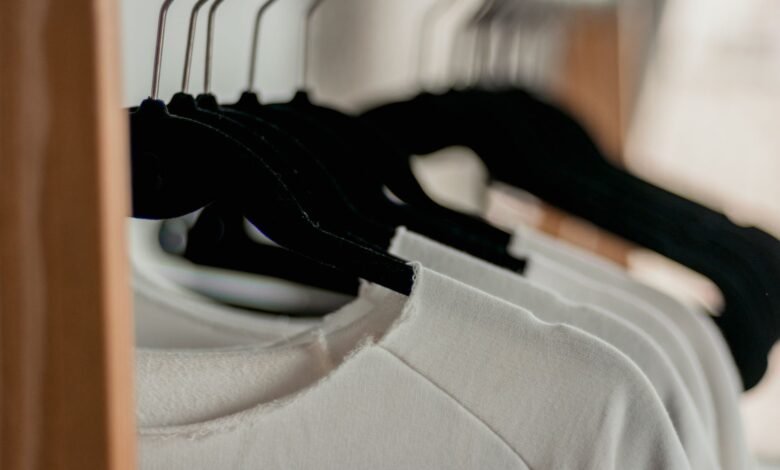
Why Do White Clothes Turn Yellow in the Closet?
A white shirt that looks spotless going into storage can still come out with yellow rings months later, even in a closet no one opened. Invisible oil at the collar and underarms keeps oxidizing in the dark, while leftover detergent film and fading brighteners quietly add a dingy cast on top. Whites simply reveal these changes first, because there is…
Read More » -
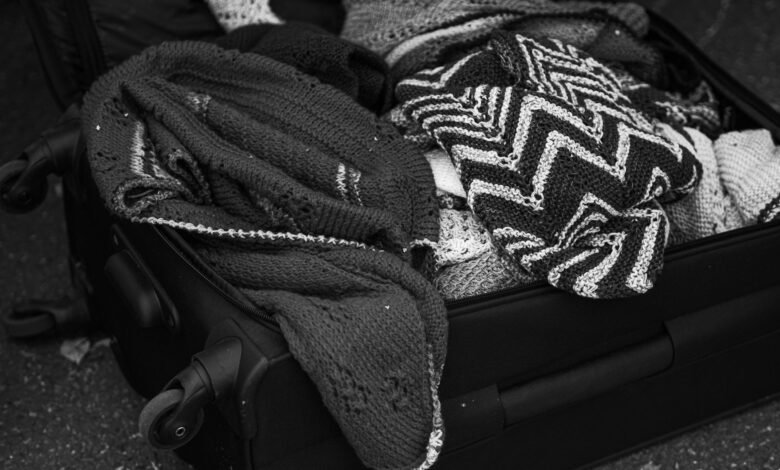
How Should I Store Wool Sweaters Without Moths or Stretching?
Fold wool and cashmere sweaters instead of hanging them, and store them clean and fully dry in a breathable but tightly built container, not on an open closet rod. That avoids stretched, pointy shoulders and the tiny holes that appear after seasonal storage. Hangers pull knit loops longer under weight, and leftover skin oils make wool attractive food for moth…
Read More » -
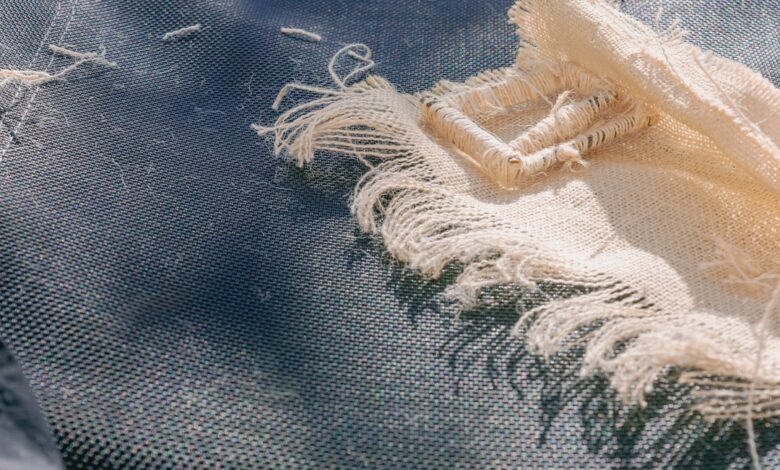
When Is It Worth Repairing Clothes Versus Replacing Them?
Repair is worth it when you wear the piece weekly, the damage is small and in one spot, and fixing it costs less than about half of replacing it. If it is occasional wear, the fabric is thin all over, or the repair costs more than half, replacement usually wins. That is because weekly wear spreads the repair cost over…
Read More » -
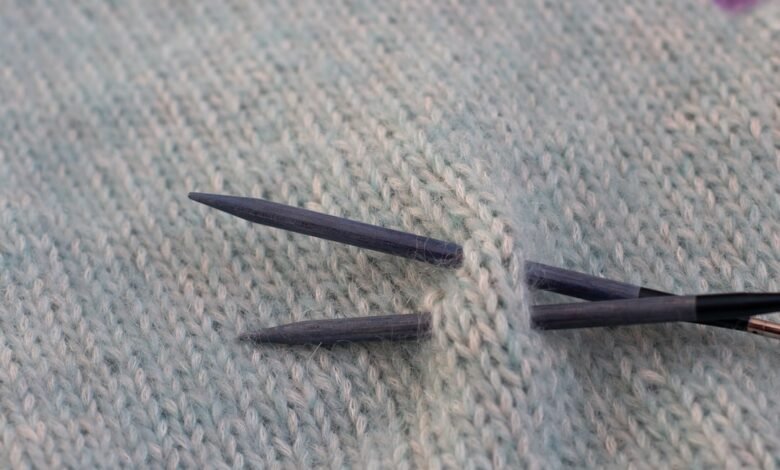
Why Do My Knit Shirts Stretch Out at the Hem and Sleeves?
Most washing instructions never explain why a knit shirt’s hem and sleeves keep growing even when you follow the label exactly. The real cause is inside the fabric itself: looped stitches relax and reshape when wet and heated, and residual twist in the yarn pulls those rows sideways as they do. That combination of loop relaxation and stored twist means…
Read More » -
Is Dry Cleaning Actually Shortening the Life of My Clothes?
Dry cleaning shortens a garment’s life mainly in one case: a structured blazer whose front layers are held together with glue rather than stitching. Solvent and hot pressing can soften that glue and strip the natural oils from wool. That shows up as small bubbles at the collar or a flattened lapel roll after repeated cycles, not as immediate fading.…
Read More » -
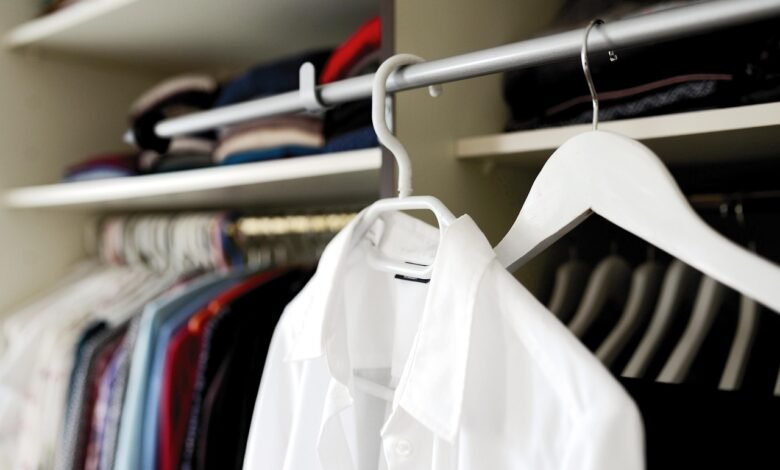
How Do I Build a Wardrobe That Lasts Ten Years Without Replacing?
Paying more does not guarantee a wardrobe that lasts ten years, and a cheaper tee can outlast an expensive one. What predicts longer wear is measurable — how heavy the fabric is, how long its fibers are, and how its seams are finished — not the brand story. Those physical signals control pilling, stretching, and seam failure, which is why…
Read More » -
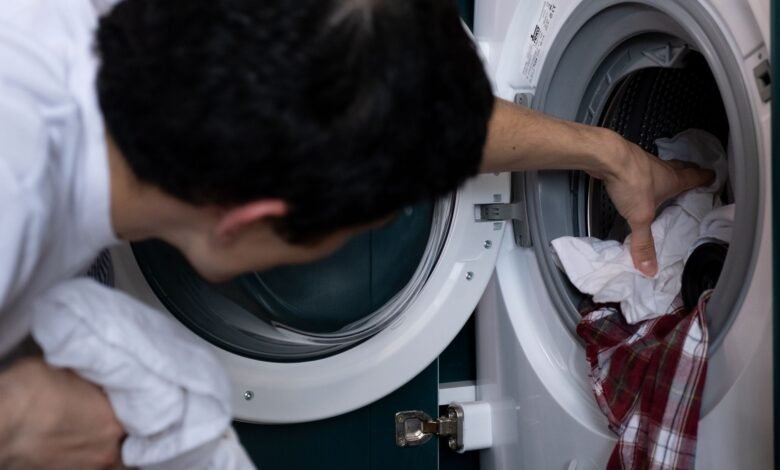
Why Does My Black Clothing Fade to Gray After Washing?
Your black clothing looks gray after washing partly because some dye leaves the fiber, but much of that dusty cast comes from the cotton surface itself getting rougher. Those raised fiber ends scatter light, so black reads lighter even when most dye is still inside. Hot water and rough tumbling swell cotton, loosen dye bonds, and lift tiny hairs that…
Read More » -
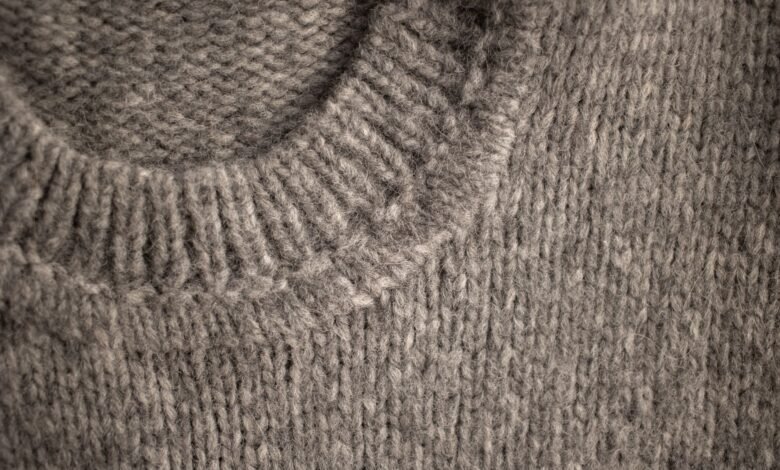
How Can I Stop My Sweaters From Pilling Under the Arms?
Pilling under the arms does not mean your sweater is cheap or poorly made. It happens where friction is highest and short fiber ends work loose, then tangle into pills that stay put when stronger fibers anchor them. Softer, fluffier yarns shed more of those ends at first, so the coziest feel in the store can pill faster under the…
Read More » -
Why Do My Leggings and Elastic Waistbands Lose Their Stretch?
A pair of leggings washed cold and air-dried can outlast an identical pair washed hot and tumble-dried by years. Cold water and low heat barely touch the stretchy fibers inside the waistband and knees. Hot water and high dryer heat wear those same fibers down a little more with every cycle, until the waistband stays wide and the knees stay…
Read More »