
Capsule Wardrobe Planning
-
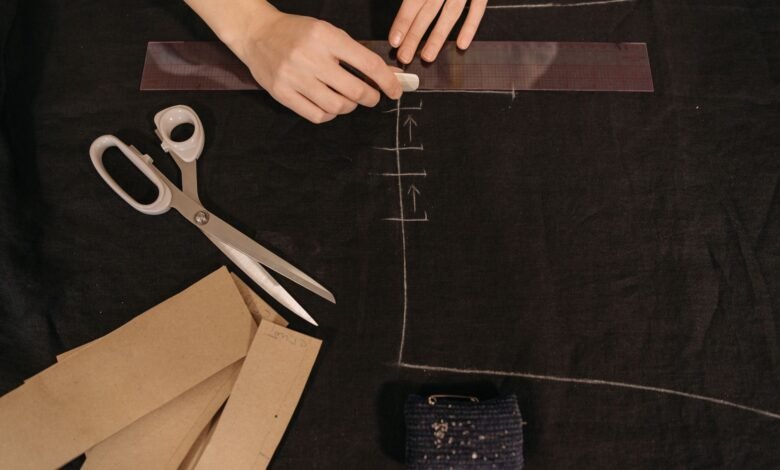
How to Inspect Seam Allowances and Inlay Margins to Determine a Capsule Garment’s Alteration Viability
A higher price tag or finer fabric does not mean a jacket can be let out five years from now. What decides if a capsule piece survives weight shifts is how much usable fabric was left hidden inside the seams and how its edge was finished. If that inlay was trimmed away at the factory, there is simply nothing for…
Read More » -
How to Evaluate Outerwear Lining Materials and Static Propensity for a Friction-Free Capsule Layering System
A smooth polyester lining will grab and bunch your wool sweater when you move, while Bemberg cupro lets that same sweater glide. The difference is not roughness, it is how each fiber handles invisible charge when layers slide against each other. Cupro is made from cellulose, so it holds moisture that lets charge bleed away; polyester repels water, so charge…
Read More » -
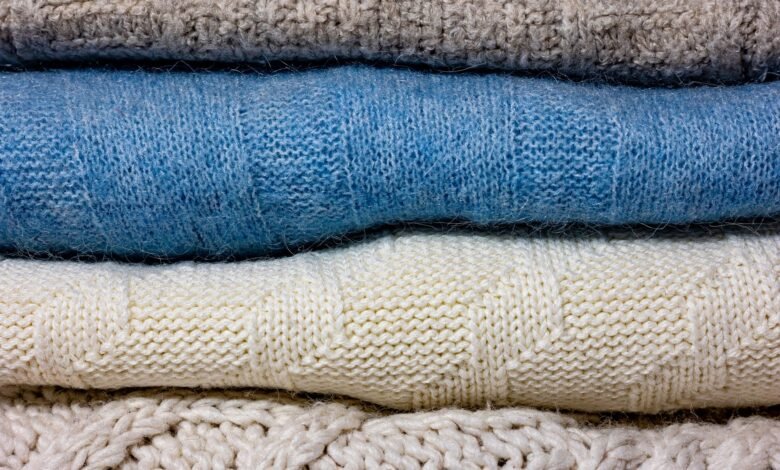
How to Predict Pilling Resistance in Knit Capsule Sweaters Using Fiber Staple Length and Knit Gauge Metrics
A sweater that feels buttery soft in the shop can start pilling under the arms after just a few wears, while a firmer one stays smooth. Softness alone does not tell you how long the surface will last, and a coarser touch does not always mean better durability. Short fibers work loose and tangle into pills, while long fibers stay…
Read More » -
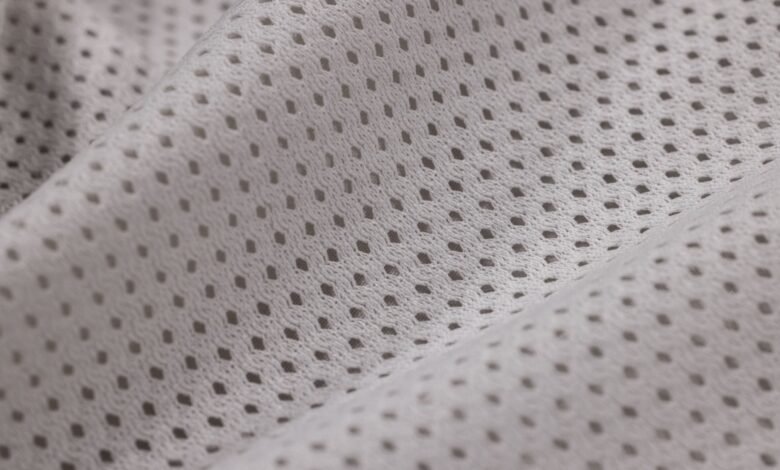
How to Select Breathable Woven Fabrics for a Humid-Climate Capsule Using Moisture Vapor Transmission Rates
That crisp cotton poplin shirt that feels fresh in air conditioning can trap sweat and cling when humidity hits 80 percent. Fabrics with open weaves and springy yarns let vapor escape faster, so you stay drier even though they feel less smooth to the touch. The tighter the weave is packed, the fewer tiny gaps remain for sweat to leave…
Read More » -
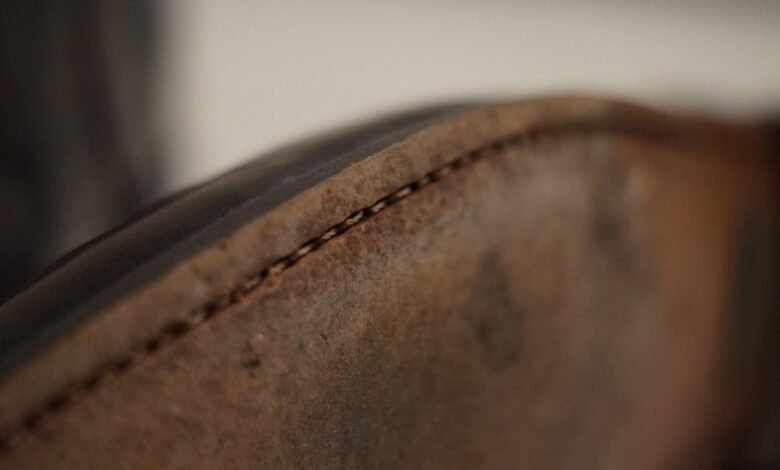
How to Evaluate Footwear Versatility and Outsole Construction for a Long-Term Capsule Wardrobe
A shoe that lasts 10 years and a shoe that is trash after the sole wears through can look identical on the store shelf. The difference is not how good the leather looks, but whether the sole is built so it can be taken off and replaced without ruining the top. When the sole cannot separate cleanly, wear means the…
Read More » -
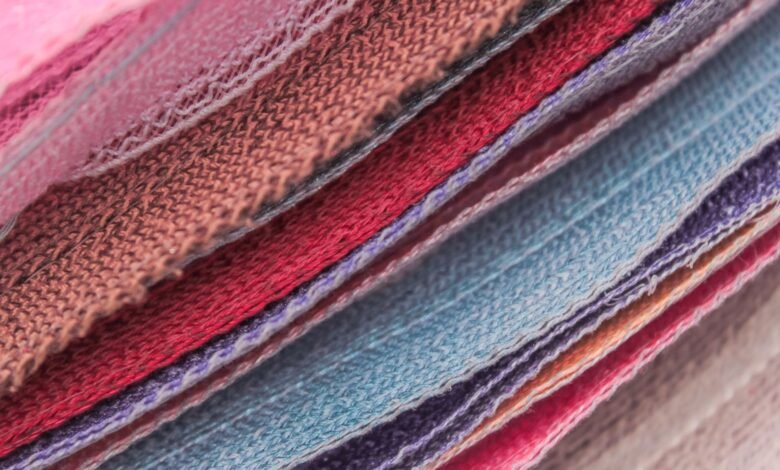
How to Engineer a Layering Capsule System Using GSM Compatibility and Fabric Thickness Tolerances
A blazer that feels perfect on its own can suddenly pinch, lift off your shoulders, and restrict your arms once you add a sweater underneath. That happens not because you picked the wrong size, but because the two layers together fill up the space the armhole was built to hold. When that built-in space is full, the shoulder seam pulls…
Read More » -

How to Assess Dimensional Stability and Skewing Risk in Cotton Twill Capsule Anchors Before Purchase
A cotton twill jean that fits in the store can still end with the outer seam sitting near your shin after a few washes. That twist is not bad luck in the laundry, it is stored tension in the diagonal weave releasing when cotton gets wet, and you can spot it before you pay. The diagonal line wants to straighten…
Read More » -

How to Build a Capsule Color Palette Based on Personal Contrast Ratios Instead of Traditional Seasonal Analysis
A capsule that finally mixes is not about Summer versus Winter, it is about matching how light-dark your clothes are to how light-dark your hair, skin, and brows are. When that clothing gap mirrors your natural gap, outfits connect; when it does not, the outfit wears you. Your eye sees light and dark first, before warm or cool. High contrast…
Read More » -
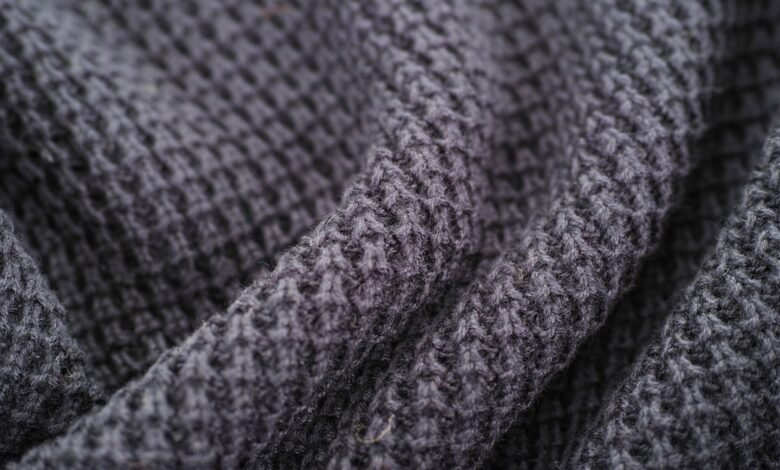
How to Select Thermal-Regulating Base Layers for a Transitional Capsule Using Fiber Hygroscopy and Moisture Management Data
A base layer that feels fine while you move but turns cold the minute you stop is not failing because it is too light or too heavy. It fails because it cannot give back a little warmth as it soaks up damp air, and merino wool can do exactly that. That heat comes from vapor binding inside the fiber itself,…
Read More » -
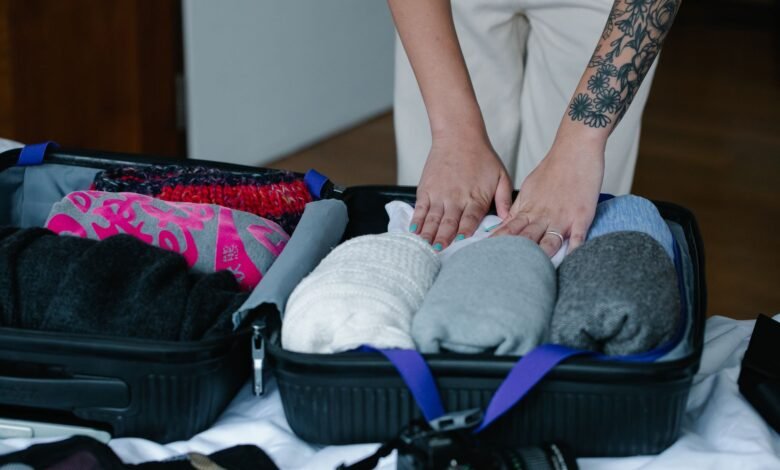
How to Evaluate Wrinkle Recovery and Care Label Maintenance Costs for a Travel Capsule Wardrobe
Some travel pants come out of a carry-on looking pressed while others stay creased all day, even when both were labeled wrinkle-free. The difference is not marketing but whether the fabric can spring back after being crushed and what it costs to keep it clean. Fabrics with built-in stretch bounce back, those without it stay folded, and that spring decides…
Read More »