That crisp cotton poplin shirt that feels fresh in air conditioning can trap sweat and cling when humidity hits 80 percent. Fabrics with open weaves and springy yarns let vapor escape faster, so you stay drier even though they feel less smooth to the touch. The tighter the weave is packed, the fewer tiny gaps remain for sweat to leave as vapor.
That density trade-off is why polished opacity and crisp hand often work against cooling in humid heat. That lines up with lab notes showing tighter weaves create less breathable fabrics, and the cup method measures vapor moving straight through fabric to the air. You can spot the difference in store with light, fingertips, and twist — here’s a rubric that scores each fabric for a humid capsule.
What ASTM E96 actually measures about breathable woven fabrics
ASTM E96 cup method is a very common lab test for fabric breathability. The test measures the rate of water vapor transmission perpendicularly through a known area into a controlled atmosphere, typically 20°C and 65% relative humidity. That perpendicular direction is exactly how sweat vapor needs to leave your body — straight out through cloth, not along it.
The setup is simple. A cup is filled with distilled water or desiccant, leaving a small air gap between liquid and fabric. The ASTM E96 cup method procedure uses a 4×4 fabric specimen sealed over the cup so vapor can only escape through the test sample. The cup is weighed over time, and weight loss per time through known area gives g/m2/24h.
Two variants exist. The wet-cup or water method puts water inside, the dry-cup or desiccant method puts dry material inside that absorbs vapor from outside. The wet-cup gravimetric procedure based on ASTM E96 uses Petri dishes filled with pure water covered with fabric to track vapor behavior. In humid climate, the air outside is already wet, so vapor pressure difference is low. Fabric must offer little resistance to let evaporation still cool you.
Diagram showing ASTM E96 cup with water reservoir, air gap, fabric lid, and vapor arrows moving perpendicularly through fabric to controlled atmosphere
Why tightly woven poplin and high-density weaves trap sweat in humidity
Weave density is measured as ends per inch and picks per inch. Ends per inch measurement counts warp threads per inch, picks per inch counts weft. Higher numbers mean more yarns packed into same space and fewer gaps between them.
Poplin is a tight plain-weave variant often woven around 96×72 or 110×76 ends and picks. That high cover gives smooth, crisp hand and opacity, but it blocks the tiny inter-yarn pores vapor needs. In lab studies, fabric density most influential factor for breathability, followed by weight and thickness, because density sets how many vapor paths exist.
In humid air, vapor pressure difference between skin and outside is already small. A dense weave adds extra resistance, so sweat condenses instead of evaporating. Tighter weaves create less breathable fabrics while more open weaves stay more breathable, even at same fiber content. Thinner yarns do not fix it if they are packed tighter.
Fabric guides describe tight plain weave poplin as moderate airflow versus plain or basket weave with excellent airflow for heat. That moderate rating explains why poplin feels clammy at 80 percent humidity — vapor cannot find a path and fabric clings.
Two magnified weave grids side by side showing dense poplin with 96×72 ends and picks blocking airflow versus open plain weave linen with visible pores
How loose plain weaves and low ends per inch raise moisture vapor transmission
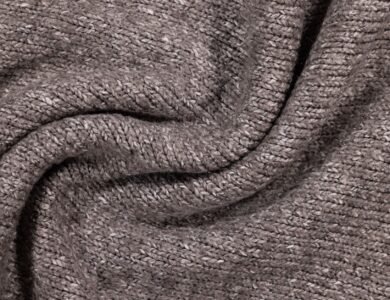
Plain weave is one warp, one weft, alternating. Plain weave lowest density among basic weaves because it does not pack yarns gaplessly, so it holds fewer yarns per unit length. Fewer yarns per inch means larger mean flow pore diameter, and higher pores increase vapor diffusion through fabric.
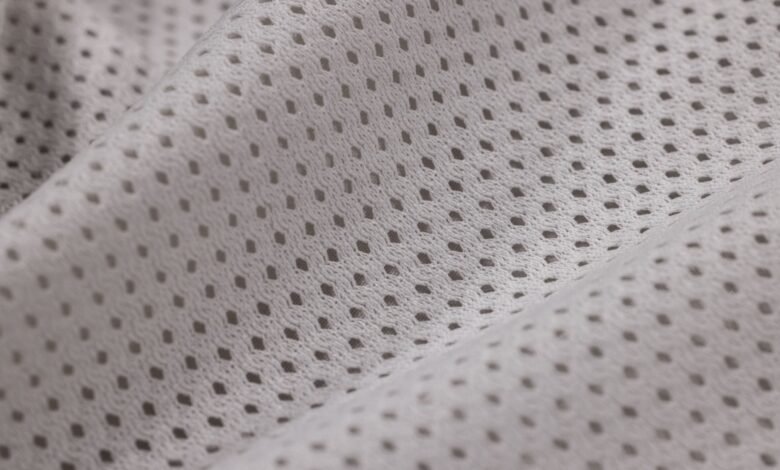
That is why light tells you about breathability. A light test for breathability — hold fabric up and see how much light passes through — works because light uses the same inter-yarn gaps as vapor. More pinpoint light means more paths for vapor to escape, even if fabric weight is similar.
Linen plain weave benefits twice. It is typically woven at low ends per inch, around 60 to 80, and its thick irregular yarns do not sit flat. Those irregularities keep pores open under shoulder pressure. Thinner fabric is not automatically more breathable if density is high, which explains why 100 gsm poplin can feel hotter than 170 gsm open linen.
For related guidance on how density and thickness affect layering comfort, see our guide on GSM compatibility and layering, which shows how bulk adds up when EPI is high.
Try this before you buy: hold fabric up to window — if you see pinpoint light through plain weave, vapor has a path; if almost no light, poplin density is blocking escape.
≈ 58% (illustrative)
≈ 46% (estimated)
medium-high (estimated)
Interactive slider — adjust ends per inch from 133 to 60 to see breathability and light transmission rise as weave opens up
Why high-twist yarns like fresco tropical wool keep air moving and resist creasing
High-twist yarn is twisted more tightly than typical worsted. Slightly open breathable weave forms because those firm, springy yarns resist flattening under pressure and keep inter-yarn pores open. That spring also stores elastic recovery, so fabric bounces back instead of holding a crease.
Fresco was invented in 1907 by Martin Sons & Co as a high-twist worsted porous plain weave named after the Italian word for fresh. It is a definitive tropical wool — breathable yet suitable for formal garments because the porous plain weave looks structured, not sheer.
High-twist tropical wool open weave airflow allows exceptional airflow while yarn twist gives crisp handle and natural crease resistance. That matters in humidity because less skin contact means sweat can evaporate instead of gluing fabric to leg. Wool is hygroscopic, but pore structure matters more than fiber moisture uptake for cooling in 70 percent plus humidity.
In a humid capsule, this outperforms poplin because you keep coverage and tailoring without trapping vapor. Linen wrinkles faster, cotton poplin blocks vapor, tropical wool keeps air moving and shape returning.
Mechanism comparison showing why high-twist yarn keeps its pores open and springs back from creasing while flat, low-twist yarn collapses under pressure
How linen, tropical wool, and cotton poplin compare for a humid-climate capsule
Poplin tightly woven vs linen breathable captures the core split. Poplin is tightly woven for smooth crisp texture, linen is highly breathable and moisture-wicking because of low density and thick yarns. That structural difference drives MVTR more than fiber name alone.
Fresco resists wrinkles allows air to circulate giving crisp structured feel, while tropical wool is lighter and softer with slightly less texture, providing comfort in warm climates. The high-twist yarn holds pores open when fabric is compressed at shoulder or thigh, where plain cotton collapses.
Fabric finishing changes results, so MVTR ranges are estimated. Loose linen plain weave around 60 to 80 ends per inch typically measures higher MVTR tier, around approximately 3000 to 5000 g/m2/24h in upright cup, with excellent airflow but low crease resistance. Tropical wool Fresco around 230 g or 8 oz with open plain weave typically sits in similar high tier with added crease resistance. Cotton poplin at 96×72 or higher typically sits in moderate tier, around approximately 1000 to 2500 g/m2/24h, because cover factor blocks escape.
Table comparing linen plain weave, tropical wool Fresco high-twist, cotton poplin tight weave on EPI, pore openness, breathability tier, wrinkle resistance, and ideal humid capsule role
Pros and cons are clear. Linen gives best evaporative cooling but needs regular ironing and can look sheer in light colors. Tropical wool gives best formal humid workwear with natural crease resistance but costs more and feels woolly to some. Poplin gives best opacity and crispness for office but worst comfort in sticky heat.
How to use OEKO-TEX Standard 100 as a safety check for humid-climate fabrics
OEKO-TEX Standard 100 is a textile safety certification, not a breathability test. It verifies the fabric has been tested for harmful substances — it says nothing about MVTR, EPI, or how long garment will last.
The standard tests for over 100 harmful substances including formaldehyde, heavy metals, pesticides, and phthalates, which matters when fabric stays damp against skin for hours in humid climate.
Limits depend on product class. OEKO-TEX formaldehyde limits set Class I baby at ≤20 mg/kg effectively not detectable, Class II direct skin contact at ≤75 mg/kg, Class III no direct skin contact at ≤300 mg/kg. Trousers and linings worn in humidity should be Class II or better. An example limit is nonylphenol around 100 ppm.
Ban on intentional use of PFAS was implemented for STANDARD 100 certified articles, so intentional PFAS finishes are not allowed. To verify, check label for certificate number and look it up on oeko-tex.com label check — confirm product class matches use.
How to build your humid-climate fabric evaluation rubric and test fabrics without a lab
You do not need a lab to sort fabrics for humidity. Use five checks that track the mechanisms above — weave openness, light, yarn twist, fiber, and finish. This rubric is a self-authored practical evaluation tool built from above mechanisms for in-store use, not a published industry standard. Use it as an in-store quick-check.
Score each criterion 0 to 2, total 0 to 10. Weave type: plain or basket open scores 2, tight poplin scores 0. Ends per inch via light test — pinpoint light through scores 2, almost no light scores 0. Yarn twist spring — yarn that snaps back and feels crunchy scores 2, flat limp yarn scores 0, because high-twist yarn open weave keeps pores open under pressure.
Fiber content: linen or high-twist tropical wool scores 2, open cotton plain weave scores 1, dense cotton poplin scores 0. Finish: no heavy coating or calendaring scores 2, waxy or very slick finish scores 0 because coating blocks pores. Total 8 to 10 is ideal humid anchor, 5 to 7 is transitional, 0 to 4 is likely to trap sweat in 70 percent plus humidity.
In store, breathe through a double layer. If air passes easily and fabric snaps back, MVTR path is open. Heavy starch or resin finish makes fabric feel papery and blocks airflow even if fiber is cotton.
Rubric table with five rows — weave openness, light test, yarn twist spring, fiber, finish — each scored 0-2 and total humid suitability score
At the trouser leg hem, look for: yarns that spring back when untwisted and visible pores between yarns — that high-twist structure keeps air moving in humidity.
Before committing, breathe through a double layer: if air passes easily and fabric snaps back, MVTR path is open; if air is blocked, dense poplin will trap sweat.
Where most buyers go wrong
Choosing fabric by fiber name alone makes poplin feel like the safe summer pick, but weave density and yarn twist decide whether vapor can escape in humidity. Check light passing through, yarn spring, and plain versus tight poplin before you buy, using the rubric above. Keep open plain weaves and high-twist tropical wool as anchors for humid work, and reserve tight poplin for air-conditioned or transitional pieces.
Frequently Asked Questions
Is cotton poplin ever breathable enough for a humid-climate capsule?
It can work in low humidity or air-conditioned offices, but high EPI around 96×72 blocks vapor in 70%+ RH so tighter weaves stay less breathable. Reserve poplin for transitional capsules or lined blazers, and choose cotton voile or linen-cotton plain for humid anchors.
How does high-twist tropical wool stay cool when wool is known for warmth?
High-twist yarn creates porous plain weave that resists collapse, so open weave exceptional airflow and reduces skin contact. As a porous plain weave definitive tropical wool, Fresco stays crisp and prevents cling in humidity.
Does OEKO-TEX Standard 100 certification guarantee a fabric will breathe well?
No. OEKO-TEX Standard 100 tests chemical safety, not MVTR. Formaldehyde limits run ≤20 mg/kg for baby to ≤300 mg/kg for non skin contact, useful for humid skin contact but separate from breathability. Use rubric for breathability plus label check for safety.
What if I already own tightly woven poplin pieces — can I make them work in humidity?
Yes, as outer layer unbuttoned over open-weave inner, or in short-sleeve cut. Avoid starch that blocks pores and avoid layering under tailored outer that exceeds armhole ease. Long-term, replace humid anchors with plain weave lowest density linen or tropical wool for better vapor escape.