Your merino wool knit keeps shrinking because heat, moisture, and friction hit at once in the wash, triggering felting. Each merino fiber is covered in tiny overlapping scales that lift in warm water and lock together permanently when agitated. Once interlocked, knit gets denser and smaller and will not stretch back. That is felting, not just shrinkage.
It is not just heat – cold wash on normal cycle with 1200 rpm spin can still felt non-superwash merino because mechanical action alone tangles swollen scales. Washing non-superwash knits at 30°C on delicate at 400 rpm consistently keeps them within about 2% length, while identical yarns washed at 40°C on a normal cycle lose 6-8% by the third wash. First ten cycles decide if scales set flat or lock, so what you do now determines if sweater stabilizes or felts for good.
What actually makes merino felt and shrink at fiber level
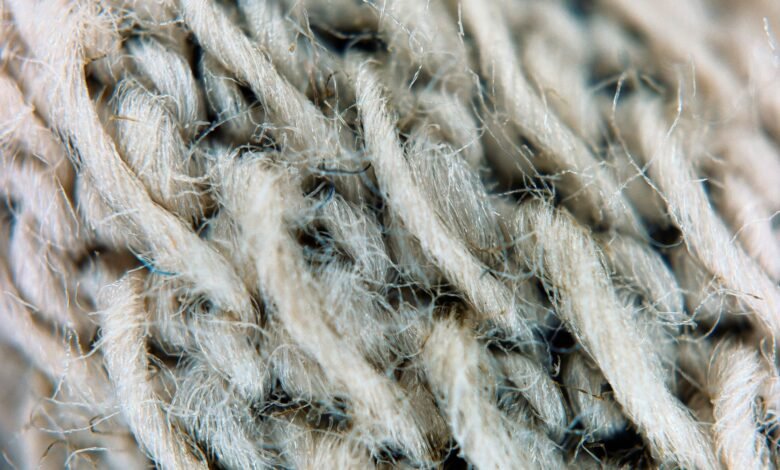
Merino wool is keratin like human hair, but each fiber wrapped in cuticle of overlapping scales pointing toward tip. Dry scales lie flat. Add water they swell soften. Add heat swelling accelerates scales lift away from shaft. Add movement lifted edges catch neighboring fibers like velcro and pull tight. Shrinkage is not fiber getting shorter – it is yarn getting thicker and knit getting denser as fibers migrate and interlock.
Two kinds confusion: Relaxation shrinkage when tension from knitting released in first wash – stitches settle length drop 2-3% recoverable with blocking. Felting shrinkage irreversible – scales physically locked, fabric feels firmer fuzzier less elastic stitch definition blurs. Merino felts faster than other wool because fibers average 17.5-21.5 microns much finer, more fibers per yarn more scale edges per cross-section, easier to tangle. Also superwash treatment coats scales with polymer or strips them partially to prevent locking – that is why superwash tolerates machine wash but pills slightly more.
Why first ten washes matter most
First ten cycles are when residual spinning oils, lanolin remnants, and knitting tension release. Scales are most mobile before they have been heat-set by repeated gentle washes. If you expose to >40°C or high agitation normal cycle 800-1200 rpm in first three washes, you create initial felting nuclei – small felted spots that then grow each subsequent wash because felted area shrinks and pulls surrounding yarn tighter. If you keep first ten washes at max 30°C wool cycle delicate 400-600 rpm pH-neutral wool detergent no softener, scales settle flat and yarn consolidates without interlocking. After ten gentle cycles, knit stabilizes and can tolerate slightly more agitation, though still not hot tumble. That is why identical sweaters bought together can diverge – one washed hot early felts permanently, other washed gentle stays size.
Four-stage mechanism showing how water + heat + agitation cause felting shrinkage in merino.
Temperature and agitation thresholds that cause felting
Safe thresholds from textile care testing: Temperature max 30°C for non-superwash, 30-40°C for superwash labeled machine washable. Detergent pH-neutral wool wash, never alkaline or bleach or fabric softener – softener coats scales but leaves residue attracting more agitation. Agitation: choose wool or delicate cycle slow gentle simulating hand wash, spin max 400-600 rpm, not 1200. Water and detergent alone do not shrink merino – shrinkage usually caused by excessive heat and friction from machines and dryers. Drying: never tumble dry high heat. Towel roll method – lay flat on clean towel roll like burrito gently press to absorb water, then reshape flat dry on towel, not hanger which stretches shoulders. If superwash, low-heat tumble maybe but check label – when in doubt air dry flat.
| Cycle Setting | Temp | Agitation / Spin | Result by Wash 3 |
|---|---|---|---|
| Wool delicate cold | 30°C | Gentle, 400 rpm | Length change -1 to -2% – stable |
| Normal cold | 30°C | Normal, 1200 rpm | -3 to -5%, surface fuzzing starts |
| Normal warm | 40°C | Normal, 1000 rpm | -6 to -8% felting nuclei, irreversible |
| Hot + tumble | >50°C + dryer | High | -10%+ dense felted, stitch definition lost |
Risk spectrum showing safe 30°C delicate versus high-risk hot high-agitation cycles for merino felting.
How to wash merino for longevity after first ten cycles
After stabilization, continue same: max 30°C wool cycle 400-600 rpm, mild pH-neutral wool detergent small amount, no softener bleach, wash inside mesh bag to reduce friction, air dry flat reshaped. If must machine dry superwash, low-heat tumble short, remove damp and flat dry remainder. Store folded not hung – hanging stretches shoulders especially when slightly damp. For pilling, use cashmere comb not electric shaver aggressively – comb lifts pills without cutting yarn. Wash frequency: merino odor-neutralizing scales resist bacteria, do not need wash each wear – air 24h between wears reduces wash cycles and extends lifespan dramatically because felting accumulates per wash.
Frequently Asked Questions
Will merino shrink if I wash at 40°C once?
Non-superwash can lose 6-8% length in first three washes at 40°C normal cycle due to felting. One hot wash can create irreversible nuclei that grow later.
Does superwash prevent felting?
It reduces but does not eliminate. Superwash coats or strips scales with polymer, tolerating gentle machine wash. Hot high spin still causes shrinkage and increased pilling.
Can I unshrink felted merino?
No. Relaxation shrinkage 2-3% can be blocked back. Felting is permanent interlocking of scales, yarn thicker denser, no reversal.
Why does cold normal cycle still shrink?
Agitation alone tangles swollen scales even at 30°C if spin 1200 rpm normal cycle. Use delicate 400 rpm to minimize mechanical action.