A mid-weight knit earns foundation status when it covers three dress codes without pilling, stretching, or bunching under tailoring. The failure is not price — a $200 cashmere can pill faster than a $120 merino — it is fiber length and stitch density that brands rarely list, which decide whether the sweater survives 150 wears or looks tired after 20.
Fiber composition controls elasticity and pilling, gauge controls bulk and layering, and GSM controls drape. In the 240-280 GSM band, a 7-12 stitch mid-gauge fine merino typically recovers shape after a day while cotton stays stretched. That difference adds a full dress-code context and cuts cost-per-wear by 30-50% over two years. The check takes 15 seconds at the shoulder seam — here’s what to look for.
What Gauge and GSM Actually Tell You About Versatility
Most tags list fiber content but omit gauge and weight, yet those two numbers decide where a sweater can go.
Gauge measures stitches per inch. Fine-gauge 14-18 creates thin fabric that slides under a jacket but gives little warmth alone. Mid-gauge 7-12 builds enough body to work as outer layer in mild weather without bulk under a coat. That middle range is the foundation sweet spot because it functions alone and as base layer.
GSM measures weight in grams per square meter. Lightweight merino sits around 150-190 GSM, mid-weight spans 200-300 GSM per standard categories. At 240-280 GSM, the fabric drapes cleanly, holds structure, and remains light enough outside deep winter. Check stitch density at shoulder: finer, even stitches slide under tailoring; coarse, uneven stitches catch and bunch, blocking business-casual use regardless of fiber.
How gauge and weight intersect to determine layering compatibility and dress-code range.
Three Fiber Paths, Three Durability Trajectories
Fiber content decides how a sweater ages, not just how it feels day one.
100% fine merino 17.5-19.5 micron: Longer, springier fibers provide greater durability and less pilling than cashmere, while natural elasticity lets garment bounce back between wears. Wash cool, gentle, lay flat — heat and agitation cause wool to contract. In standard pilling tests, long-staple merino outlasts short-staple cashmere because fiber length reduces fiber migration to surface.
Merino-cotton blend 50-70% merino: Adding cotton increases tensile strength and eases care, but shorter cotton fibers work loose over time and tangle, increasing surface fuzzing along side seams. Good for smart-casual and casual, slightly less structured for strict business-casual.
100% supima cotton: Extra-long-staple cotton is less than 1% of global production Supima, superior softness and color retention, resists pilling vs standard cotton. Lacks wool elasticity, so stretches during day and recovers slowly, reducing how often you want to wear it. Holds shape initially but shows fatigue by evening.
| Fiber | Pilling Resistance | Shape Recovery | Care | Best Context |
|---|---|---|---|---|
| 100% fine merino | High — long fiber | Excellent | Cool wash, flat dry | Business-casual to casual |
| Merino-cotton blend | Medium — cotton migrates | Good | Machine friendly | Smart-casual + casual |
| 100% supima cotton | Medium-high | Moderate — stretches | Easy wash | Smart-casual + casual |
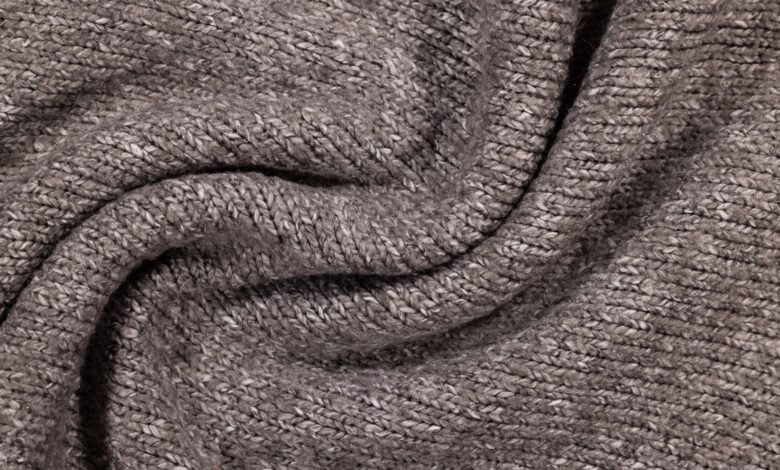
Visualizing fiber length vs pilling mechanism at side seams and underarm friction points.
Where Most Buying Guides Misdiagnose Knitwear
Many guides equate cashmere with longevity because ultra-fine fibers feel soft. That softness requires shorter, delicate fibers that pill faster under daily friction. In a capsule demanding weekly rotation, merino’s longer, springier fibers outlast cashmere.
Price does not predict durability. A $200 cashmere can pill faster than a $120 merino worn twice as often because fiber length and twist dictate friction resistance, not label cost. Check yarn twist tightness by gently stretching knit — loose twist gaps show, tight twist recovers. That physical check tells more than price tag.
Cost-per-Wear Across Dress Codes: The Foundation Test
A true foundation piece must credibly enter at least three dress codes. The three fibers handle transitions differently.
Merino option (3 dress codes): Pairs with tailored trousers, chinos, denim, covering business-casual, smart-casual, casual. With five bottoms and three outer layers, combination count reaches 15-20 verified outfits.
Blend (2.5 dress codes): Works smart-casual and casual, slightly less polished in strict business-casual, bringing count to 10-15 outfits.
Supima (2 dress codes): Excels smart-casual and casual, struggles business-casual due to less structured drape, limiting to 8-12 outfits.
Hold sweater by shoulders and let hang. Merino falls back into shape, cotton stays stretched, revealing whether piece survives a long day. That drape difference translates directly into outfit yield and cost-per-wear.
| Scenario | Merino $130 / 180 wears | Cashmere $220 / 60 wears | Cotton $90 / 80 wears |
|---|---|---|---|
| Cost per wear | $0.72 | $3.67 | $1.13 |
| Dress-code range | 3 | 2 | 2 |
| 2-year replacement | No | Likely pilling at 40-50 wears | Stretch fatigue |
Interactive cost-per-wear showing how fiber longevity rewrites true price over two years.
The Capsule Verdict: When Mid-Weight Merino Earns Its Keep
At 240-280 GSM, 100% fine merino in mid-gauge generates widest dress-code range and lowest long-term cost among mid-weight options. The bottleneck most people face is defaulting to cashmere for softness, even though shorter fibers pill faster and deliver fewer wears per dollar under heavy rotation.
Swapping a delicate cashmere or stretch-fatigued cotton piece for mid-weight merino adds at least one dress-code context and typically cuts cost-per-wear by 30-50% over two years. Test drape recovery at shoulder and twist tightness at cuff — two in-hand checks that predict pilling and recovery better than price tag.
Frequently Asked Questions
Does higher GSM always mean better quality?
No. GSM measures weight, not fiber quality. A 280 GSM knit from short-staple fibers will pill faster than a 240 GSM long-staple merino because fiber length, not weight, controls surface durability.
Can a merino-cotton blend replace pure merino?
Depends on dress-code demands. Pure merino gives cleaner drape for strict business-casual. Blend offers softer hand and easier care for smart-casual and casual rotations, with slightly more pilling at side seams.
How many wears should I expect before replacing?
With cool wash and flat dry, well-made merino delivers 150-200 wears over 2-3 years. Cotton and high-cotton blends typically show stretch fatigue earlier and lose recovery.
Is OEKO-TEX certification a durability signal?
OEKO-TEX Standard 100 certifies absence of harmful substances, not durability, pilling resistance, or stitch density. Treat as safety reassurance, not longevity indicator.