Slow Fashion & Wardrobe Longevity

What Slow Fashion Certifications Actually Measure — And Why GOTS, OEKO-TEX, and Bluesign Do Not Guarantee How Long a Garment Will Last

A certified organic cotton shirt often fades and degrades at the exact same rate as an uncertified one because the label verifies farming practices rather than fabric construction. The physical limits of the fibre dictate its lifespan, regardless of the environmental standards met during production.

This discrepancy exists because textile certifications were designed to measure chemical safety and supply chain ethics, not mechanical wear. Recognising what these logos actually guarantee allows you to evaluate a garment’s true physical durability before you buy it.

The Longevity Finding

  • A GOTS, OEKO-TEX, or Bluesign label verifies specific environmental or chemical standards, but it does not function as a guarantee of physical durability.
  • Every major certification framework measures sourcing and safety criteria rather than the mechanical abrasion or pilling resistance that dictates how long a garment survives.
  • Comparing the actual test requirements of these standards against standard ISO durability metrics reveals exactly what these labels omit.
  • Understanding this distinction gives you a reliable method for assessing the structural lifespan of any garment independently of its marketing claims.

This analysis focuses on a mid-weight woven cotton shirt carrying a GOTS certification label, typically purchased for regular office wear and laundered weekly. It examines whether this specific environmental credential predicts how many seasons the fabric will survive, excluding synthetic activewear and waterproof outerwear where different mechanical rules apply.

The certification question most shoppers get wrong

Shoppers typically assume a certification logo means the garment has been rigorously vetted for physical quality and long-term wear. GOTS actually verifies organic fibre processing across the supply chain, while OEKO-TEX STANDARD 100 screens for harmful chemical substances in every component. Each framework addresses a distinct environmental or safety metric, meaning none of them were designed to measure how well a fabric resists repeated washing, abrasion, or pilling.

A woman examining a clothing label with certification symbols in a retail setting
Photo by RDNE Stock project on Pexels

Check the tag on a garment you already own and note exactly which certification logos are printed there. Each standard answers a very specific question about chemical safety or agricultural sourcing, and knowing that exact scope is the first step in understanding what the label cannot tell you about the garment’s physical lifespan.

What GOTS actually requires — and what it leaves out

The Global Organic Textile Standard verifies that a garment contains a minimum percentage of organic fibres and that the entire supply chain meets strict environmental and social criteria. Its technical parameters include dimensional stability after washing and colourfastness to light, but it does not mandate pilling resistance, abrasion resistance, or colourfastness to repeated laundering as a condition for certification.

Organic cotton plants contrasted with a close-up of fabric pilling
Photo by Mark Stebnicki on Pexels

While GOTS Version 8.0 introduces expanded technical quality parameters intended to address product longevity, the specific mechanical durability tests remain undefined and unstandardised across certifiers. Currently, the label confirms the fibre was grown without synthetic pesticides and processed under strict environmental rules, but it does not guarantee the fabric will survive 50 wash cycles.

Comparing the care instructions of a certified cotton shirt with an uncertified equivalent often reveals identical washing and drying guidelines, because the certification changes the farming practices rather than the physical limits of the cotton fibre itself. WRAP’s research documents that certified garments degrade at the exact same rate as uncertified ones, proving the material fails according to its structural reality rather than its marketing claims.

OEKO-TEX STANDARD 100: chemical safety, not fabric strength

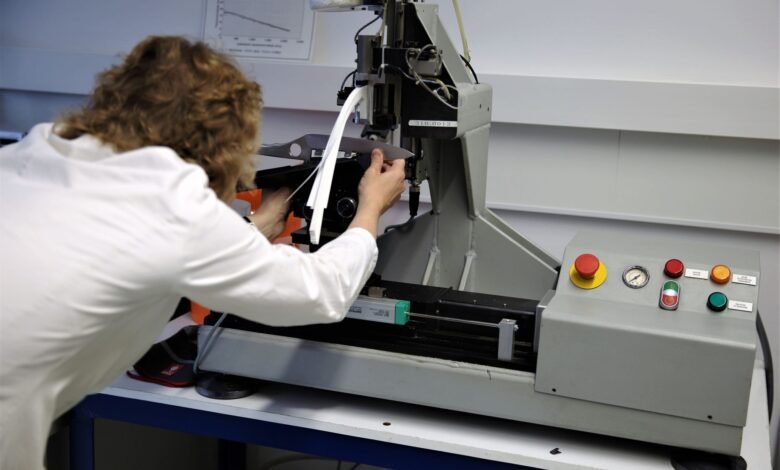
This standard is frequently misunderstood as a marker of physical quality, when it actually screens for harmful substances like formaldehyde, heavy metals, and restricted chemical dyes. The modular testing system requires every single component of the garment, from the main fabric down to the thread and buttons, to pass strict chemical safety limits.

A lab technician testing fabric samples for chemical residues
Photo by Jeetendra Vyas Fashionpfotographer on Pexels

The framework does not evaluate pilling resistance, tear strength, seam slippage, or any other mechanical property that predicts how long a garment will physically survive. The testing scope covers over 1,000 distinct chemical substances, yet none of these metrics relate to mechanical wear or structural degradation.

Knitwear carrying this label typically develops surface pilling at the same underarm friction points and at the same rate as uncertified equivalents. The certification verifies what is chemically in the fabric rather than how the physical yarn structure holds up under daily abrasion, meaning the garment is safe for your skin but not guaranteed to retain its shape or resist surface wear.

Bluesign: manufacturing chemistry, not garment life

Bluesign operates within the supply chain to ensure only approved chemicals enter production and that manufacturing processes meet strict environmental standards. The bluesign APPROVED label applies to individual components like fabrics or dyes that satisfy these specific health and safety criteria, rather than testing the finished consumer product.

A textile factory production line with rolls of fabric
Photo by EqualStock IN on Pexels

This system does not evaluate finished garments for pilling, abrasion, colourfastness, or dimensional stability, as its scope is strictly limited to chemical input management and worker protection. A certified fabric is certainly safer for the environment and the factory floor, but the label offers no data on how the finished material will perform under prolonged mechanical stress.

The Responsible Wool Standard: animal welfare and traceability, not wear resistance

Developed by Textile Exchange, the Responsible Wool Standard verifies that wool originates from farms meeting strict animal welfare and land management criteria. The standard mandates a clear chain of custody from the farm to the finished product, requiring a minimum of 5% certified wool for a garment to carry the label.

Sheep grazing on a green hillside
Photo by UMUT 🆁🅰🆆 on Pexels

The standard does not test for pilling, abrasion, shrinkage, or any mechanical property of the finished knitted garment. An RWS label confirms the sheep were treated ethically and the supply chain is fully traceable, but it cannot predict whether the yarn will felt in the wash or pill under the arms after a single season.

Certified wool knitwear typically develops underarm pilling at the exact same rate as non-certified wool of an equivalent micron count and yarn twist. The audit verifies the agricultural practices of the farm rather than the physical abrasion resistance of the fibre, meaning the yarn construction alone determines how the surface holds up over time.

Where most guides get this wrong

Many fashion guides treat these certifications as a single, interchangeable signal of overall quality, which leads shoppers to incorrectly assume a garment has passed physical durability tests. Brands frequently market these logos as evidence of superior construction without clarifying that the certification only measures chemical safety or agricultural sourcing.

A WRAP study of 47 t-shirts found no correlation between retail price and physical durability, and the exact same logic applies to environmental certifications. A highly certified premium t-shirt will not inherently outperform a basic uncertified one in wash tests, making it essential to evaluate the physical construction separately from the sourcing label.

The certification-vs.-longevity decision framework

When you spot a certification logo on a tag, you need to ask exactly what the standard tests and which physical durability indicators it completely ignores. Use this breakdown to separate environmental claims from structural reality:

  • GOTS: This standard matters if you prioritise organic fibre sourcing and environmental processing, but it does not require pilling or abrasion resistance testing.
  • OEKO-TEX STANDARD 100: This certification verifies skin safety and chemical limits, yet it offers no data regarding shape retention or colourfastness after repeated laundering.
  • Bluesign: This framework is essential for evaluating manufacturing chemistry and resource efficiency, but it provides zero information about the mechanical durability of the finished fabric.
  • RWS: This label guarantees animal welfare and wool traceability, though it completely ignores mechanical metrics like shrinkage or surface pilling.

These logos simply communicate what the standard’s authors chose to prioritise during the audit process. They cannot tell you how the garment was physically constructed, what the fabric weight is, or how the material will behave after 30 wash cycles.

A shopper who relies solely on an eco-label will struggle to understand why a garment ultimately failed when it comes time to replace it. Evaluating the physical construction gives you the concrete metrics needed to predict longevity, which are detailed in the following section.

What to evaluate instead of certification status

Because environmental certifications ignore mechanical durability, you must evaluate these physical construction signals instead:

  • Fabric weight (GSM): Heavier fabrics typically resist abrasion and surface pilling much better than lighter materials within the same fibre category.
  • Seam construction: Flat-felled or French seams distribute tension evenly and survive repeated wash stress far better than standard serged or overlocked edges.
  • Stitches per inch (SPI): A higher stitch density indicates tighter seam construction and provides greater resistance to structural failure at high-stress points.
  • Fiber composition: The staple length and yarn twist directly dictate pilling propensity, because long-staple fibres produce fewer protruding ends that can tangle into pills.
  • Care label instructions: Garments specifying lower wash temperatures and gentle cycles are often engineered with fibre preservation in mind, though this alone does not guarantee structural longevity.
Close-up of a garment seam and fabric weave
Photo by Skylar Kang on Pexels

Pinch the fabric between your fingers to assess its physical density before making a purchase, keeping in mind that higher GSM materials resist abrasion better than lighter equivalents. You can also check the seam construction by looking for two visible stitch lines on a flat-felled edge, whereas a serged seam will feel bulkier and show an overlocked thread wrap.

WRAP’s Extending Clothing Life Protocol outlines specific metrics for manufacturers to design for durability, focusing heavily on wash-cycle performance and structural integrity. These physical construction details are what actually dictate a garment’s lifespan, yet none of them are mandated by the major environmental certifications.

Construction Signal Low-Tier Typical Range Mid-Tier Typical Range Premium-Tier Typical Range
Fabric GSM (woven cotton) 120–150 160–200 210+
Seam type Serged Flat-felled or French Flat-felled or French
Stitches per inch 8–10 10–12 12–14
Care label specificity Generic Specific temperature + cycle Specific temperature + cycle + drying

Two shirts can carry the exact same organic certification while sitting at opposite ends of this construction spectrum. The environmental label does not correlate with these physical metrics, meaning a premium shirt’s higher fabric weight and denser stitching are what actually extend its lifespan compared to a low-tier certified equivalent.

Where ownership economics change is at the mid-tier seam construction jump

Upgrading to a flat-felled seam on a 160 to 200 GSM fabric fundamentally changes the garment’s repair threshold by distributing wash tension across two distinct stitch lines. This structural reinforcement prevents the fraying common in lighter serged seams, creating the physical difference between a shirt that lasts two seasons and one that survives for years regardless of its eco-label.

The Investment Threshold

An environmental label is a statement about what the standard’s authors chose to audit, and none of the major certifications currently measure mechanical wear. The most effective change you can make is to separate chemical safety verification from physical durability assessment during your purchasing process. Let the certification verify the supply chain, while your own inspection of the fabric weight, seam type, and stitch density dictates your expectations for the garment’s actual lifespan.

Frequently Asked Questions

1. Does GOTS certification mean a garment will last longer than an uncertified one?

GOTS verifies organic fibre content and environmental processing standards, but it does not require pilling or abrasion resistance testing. Because these mechanical metrics are omitted from the audit, the physical longevity of the garment depends entirely on its underlying construction.

2. What does OEKO-TEX STANDARD 100 actually test for in clothing?

This standard screens for over 1,000 harmful substances, including formaldehyde, heavy metals, and restricted chemical dyes. None of these chemical tests evaluate pilling, abrasion resistance, or any mechanical property that dictates how long a garment will physically survive.

3. If certifications don’t guarantee durability, how should I evaluate a garment’s lifespan before buying?

You should evaluate the fabric weight, seam construction, stitch density, and the specificity of the care instructions. Heavier fabrics paired with flat-felled seams provide a much more reliable prediction of long-term wear than any environmental certification logo.

4. Is GOTS 8.0 changing anything about durability testing?

GOTS Version 8.0 introduces expanded technical quality parameters intended to address product longevity, though the specific mechanical tests remain undefined. At present, pilling and abrasion resistance are still not mandatory requirements for achieving this certification.

Armughan Akbar

Armughan Akbar is a fashion and wardrobe content writer with over 6 years of experience covering fabrics, garment construction, clothing quality, fit, and apparel care. His content combines textile research, industry standards, and practical consumer guidance to help readers make informed wardrobe and clothing-buying decisions.
Back to top button