
Fabric & Textile Quality Analysis
-
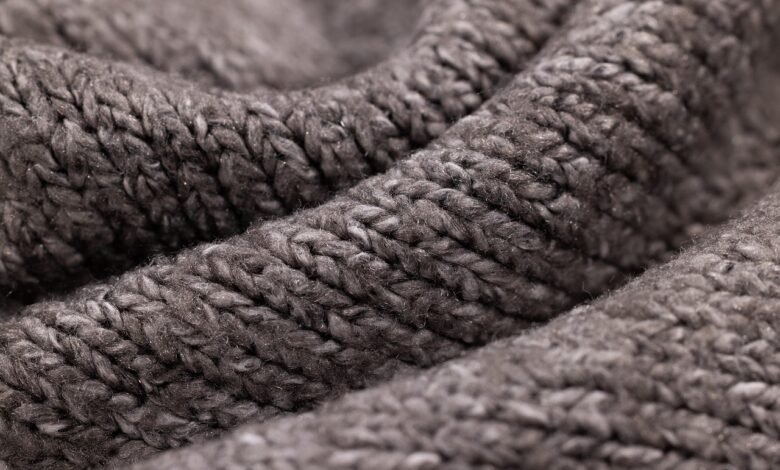
How Fiber Blend Ratios in Professional Wardrobe Fabrics Predict the First Failure Mode
The blend ratio on your workwear tag predicts whether pilling, bagging, or drape collapse shows up first because whichever fiber crosses its tipping point starts controlling the fabric. In wool-polyester that’s pills that shed versus pills that stay anchored, in cotton-elastane it’s thinning versus permanent knee bagging, in linen-viscose it’s wrinkling versus sagging. It shifts when one fiber’s rigidity, fatigue,…
Read More » -
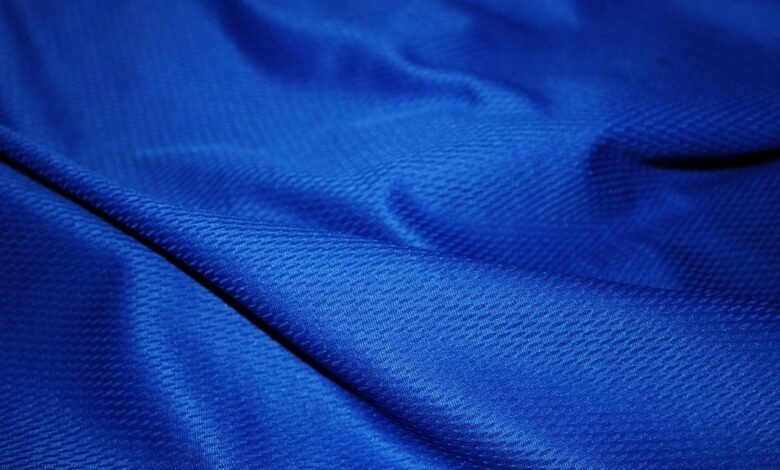
Why French Terry and Loopback Jersey Fabrics Pill at Different Rates and How to Inspect Loop Integrity Before Buying
French terry pills faster when its loops are long and loose because the exposed yarns catch and break, while a tight loopback jersey resists pilling because the loops are short, anchored, and harder to pull out. Both are weft knits with loops on the back, but the length of that loop and how tightly the base knit locks it in…
Read More » -
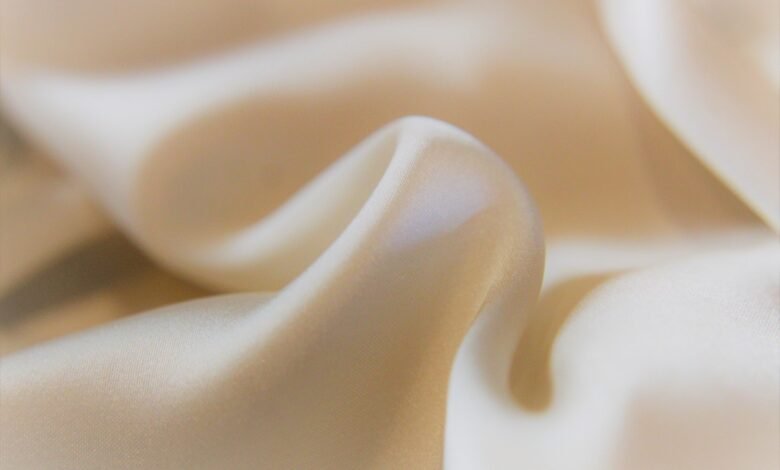
When Dry-Clean-Only Care Labels Reflect Fiber Science and When They Reflect Manufacturing Convenience
A dry-clean-only label doesn’t always mean the fabric will be ruined in water — it can also mean the hidden structure inside will. A silk crepe blouse that bleeds dye and a fully interlined wool blazer that bubbles at the chest share the same tag for completely different mechanical reasons. That overlap is why the same instruction sometimes protects fiber…
Read More » -
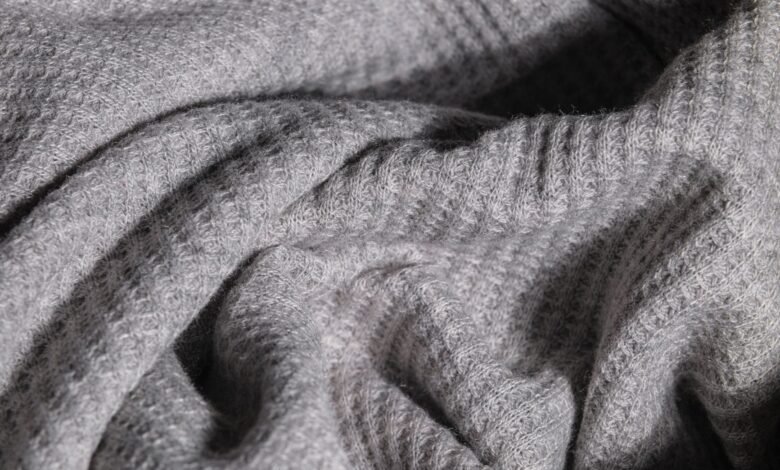
How Fiber Diameter and Fabric Weight Determine Cashmere Quality When Two Garments Share the Same Price Tag
Two cashmere sweaters at $250 can feel completely different after two weeks because one uses 14.5-micron fibers in a dense, tightly-knit fabric and the other uses 16.5-micron fibers in a loose, lighter knit — the finer, denser knit holds shape and resists pilling, while the coarser, looser knit thins and pills at friction points. Price tells you nothing about micron…
Read More » -
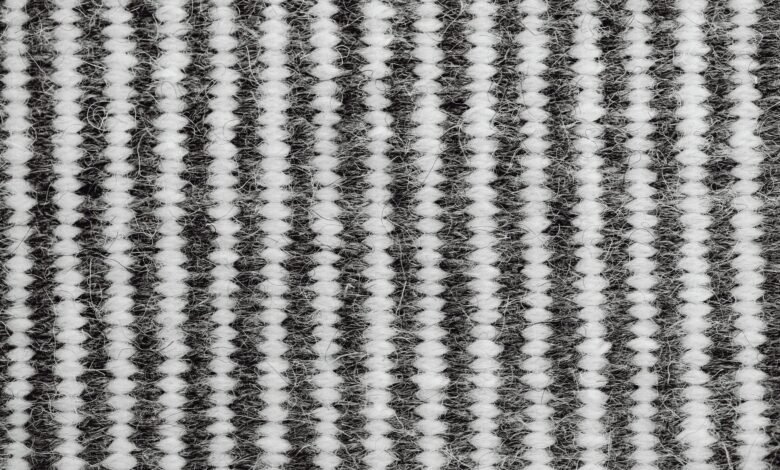
How to Evaluate Wool Coat Fabric Quality Using GSM, Fiber Content, and Interlining Construction
A wool coat that stays crisp for five winters usually combines substantial face-cloth weight, a wool-dominant fiber mix, and a floating canvas interlining that moves with the shell, while a coat that bubbles and sags after one season often uses a thinner face cloth and a fully fused interlining that traps moisture. The label may say wool blend for both,…
Read More » -
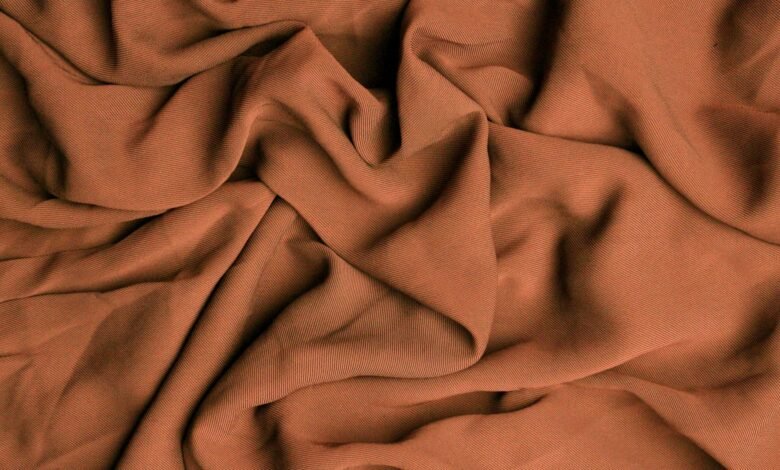
How to Pre-Test Natural Fiber Garments for Shrinkage Risk Before the First Wash Cycle
Natural fibers shrink because weaving tension and fiber swelling release in the first wash, not because you did something wrong — cotton and linen can lose a noticeable amount of length, and wool can felt irreversibly if exposed to heat and agitation. You can predict that loss before buying by checking whether the fabric is pre-shrunk, how tight the weave…
Read More » -
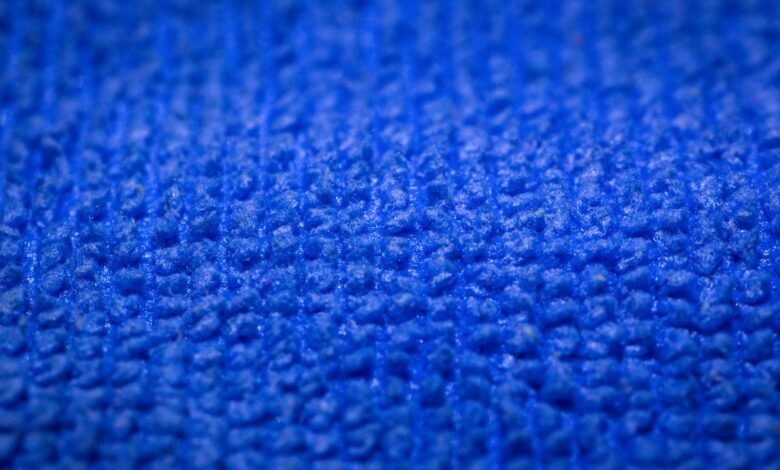
What GSM Threshold Polyester Microfiber Blouses Need to Maintain Drape and Resist Pilling in Professional Wear
A polyester microfiber blouse keeps its drape and resists pilling when it sits in a specific mid-weight band with a tight plain or twill weave, while blouses that are too light go sheer and snag and those that are too heavy lose fluid drape and trap heat. The sweet spot is not just weight but filament fineness and cover factor…
Read More » -
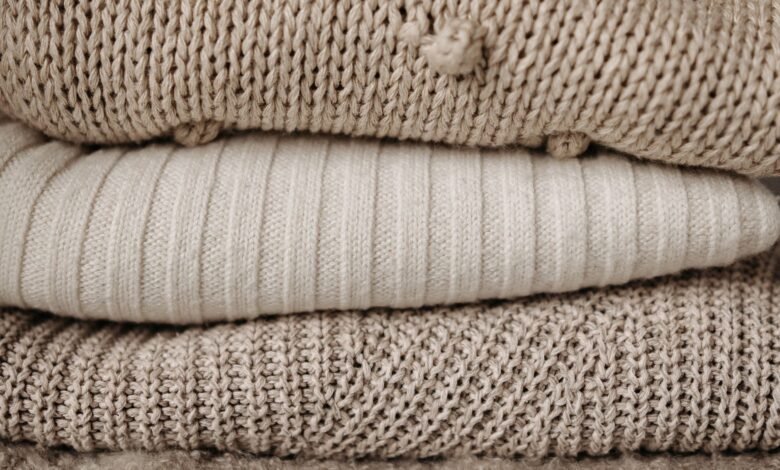
Why Knitwear Pills Prematurely and How Anti-Pill Finishing Treatments Perform Across Wash Cycles
Knitwear pills early because short loose fibers escape from low-twist yarns and tangle into balls that anchor on stronger filaments, and anti-pill finishes only delay that process by gluing fiber ends flat for a limited number of washes. A sweater that looks clean after 30 washes usually combines long staple, higher twist, and dense knit, while one that pills by…
Read More » -

Comparing Ponte Knit Trouser Quality at the Same Price: What Fabric Weight and Loop Density Reveal
Two $80 ponte trousers can behave like two different garments because one uses denser double-knit loops, enough elastane for real snap-back, and enough weight to hold a tailored line, while the other trims weight and elastane to protect margin. That difference shows up as knee bagging by wear six and pilling in the seat and inner thigh by wear ten,…
Read More » -
How Linen Fabric Weight and Weave Structure Predict Garment Performance Before You Buy
Linen performance comes down to two things you can estimate by hand: fabric weight and weave tightness, because weight predicts drape stability and heat retention while weave density predicts whether it will hold shape or stretch and sag. A tight plain weave holds a sharp shirt line and resists bagging, while a loose weave may feel substantial but loses shape…
Read More »