
Slow Fashion & Wardrobe Longevity
-
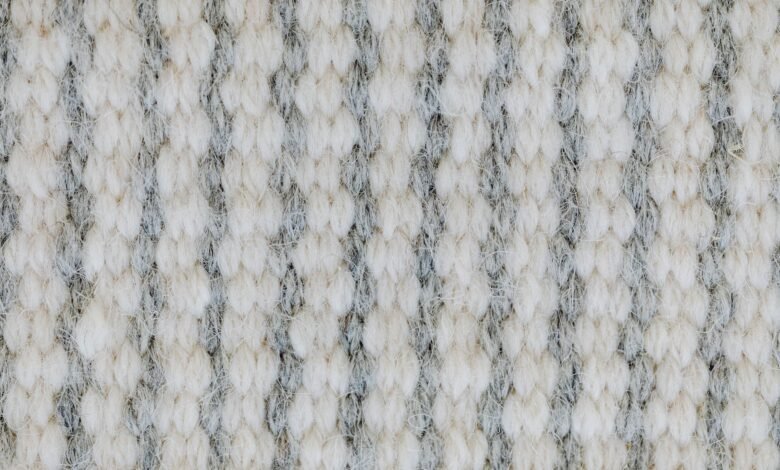
Does a Higher Micron Count and GSM Actually Make a Merino Wool Shirt Last Longer? What Specification Comparisons Reveal
No, a higher micron count and heavier fabric weight do not automatically make a merino shirt last longer, though both influence how it fails. A thicker fiber (19-21.5 micron) resists abrasion better than superfine 15-17.5 micron, and a heavier fabric means more material to wear through before thinning, but construction determines whether the shirt pills or splits at seams. Durability…
Read More » -
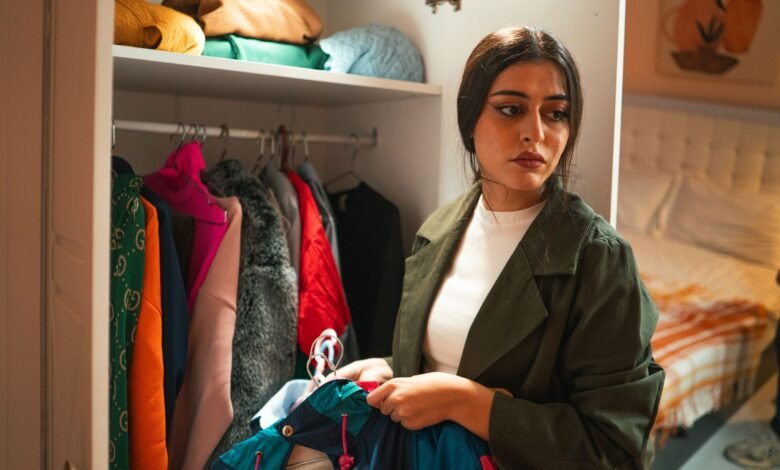
What a Slow Fashion Wardrobe Audit Actually Reveals: How to Identify Garments You Are Holding Past Their Evidence-Based Lifespan
A wardrobe audit reveals garments past their evidence-based lifespan when you measure physical failure, not sentiment. You identify them by testing pilling grade, stretch recovery, and seam slippage against how often you actually wear them. Those three mechanisms dictate whether a piece will look and fit the same next month, not whether it still hangs okay. The nuance is that…
Read More » -
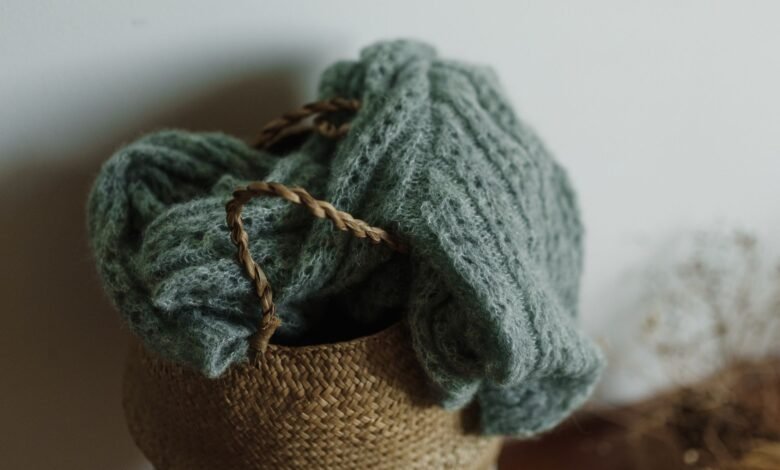
How Off-Season Storage Conditions Shorten the Life of Natural Fiber Coats: What Compression, Humidity, and Moth Exposure Actually Do to Wool and Cashmere
Compression bends wool and cashmere yarns past their elastic limit and creates permanent dimples and shine, humidity breaks keratin bonds through hydrolysis and oxidation, and moth larvae digest protein fibers coated in skin oils and sweat residues. Those mechanisms show up as flat shiny panels that will not spring back, a brittle weakened hand, and isolated holes that become tears…
Read More » -
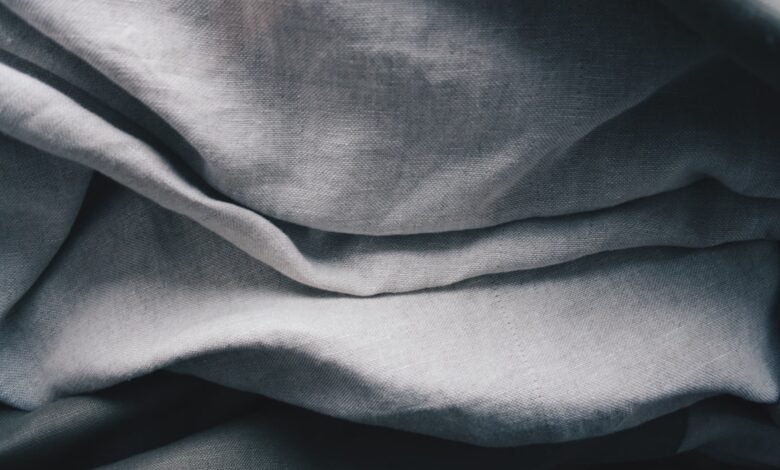
Why Some Linen Garments Last a Decade and Others Fall Apart After Two Seasons: What Fabric Weight, Weave Structure, and Finishing Treatment Reveal
Some linen lasts a decade because it sits in the 185-220 grams-per-square-meter range, uses long-staple fiber in a tight plain weave, and skips heavy softening. The pieces that fall apart after two seasons are usually a much lighter 90-135 gram sheer cloth made with short-staple fiber, then coated in silicone softeners that mask a loose structure. Flax fiber is exceptionally…
Read More » -
Is a High-Cost Slow Fashion Trouser Actually Better Value Over Time? A Cost-Per-Wear Comparison Across Three Price Tiers
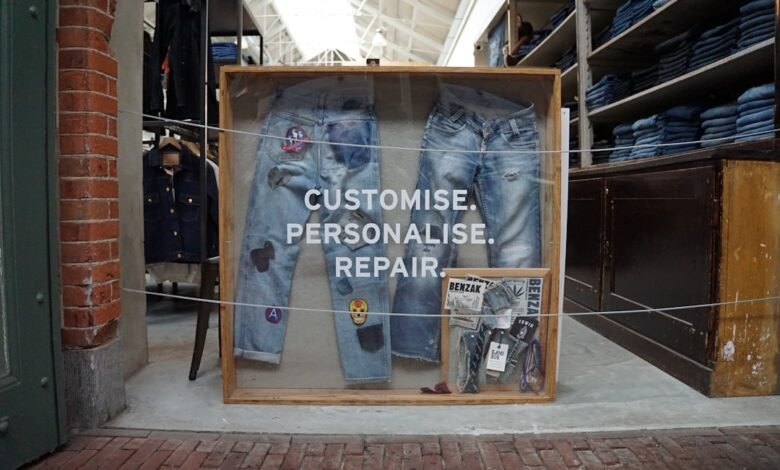
No, a high-cost slow fashion trouser is not automatically better value per wear than a cheaper pair. Value comes from total wears, and a £350 trouser worn 20 times costs £17.50 per wear while a £35 trouser worn 120 times costs £0.29. That is because true durability depends on fabric cover factor, yarn twist, and seam engineering, not price tag.…
Read More » -
What Slow Fashion Certifications Actually Measure — And Why GOTS, OEKO-TEX, and Bluesign Do Not Guarantee How Long a Garment Will Last
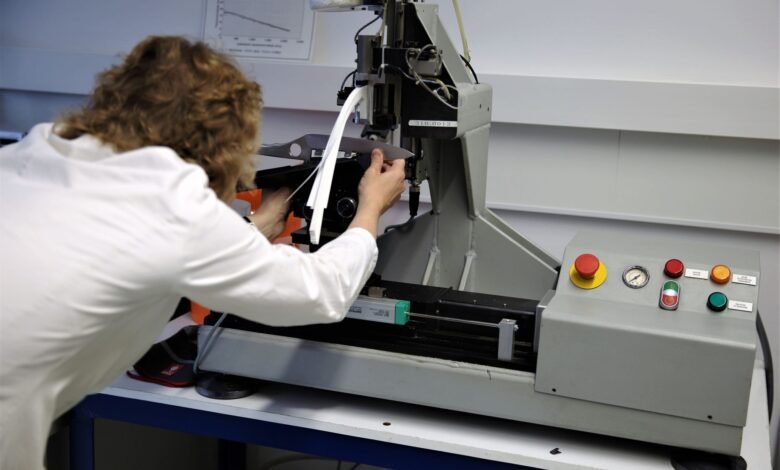
Slow fashion’s three most common certifications each test something different — organic fiber content, finished-garment safety, or production chemicals — but none test how long a garment lasts. None run abrasion, pilling, tensile, or seam-strength tests, which is why a certified garment can still wear out fast. GOTS covers the first, OEKO-TEX Standard 100 the second, and Bluesign the third.…
Read More » -
Why Your Sustainable Denim Lost Shape and Color Faster Than Expected: The Construction Variables That Actually Determine Denim Longevity
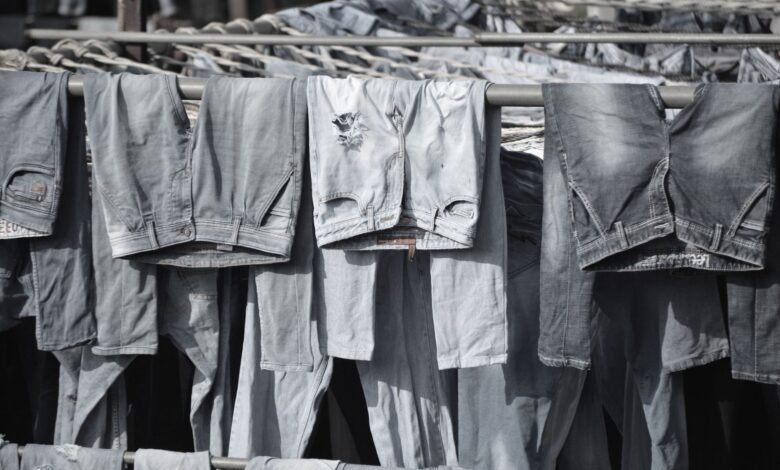
Your sustainable denim bagged at knees and faded unevenly because yarns were made from shorter recycled fibers with lower twist and looser 3/1 twill construction. That combination lowers tensile strength, makes fabric stretch without springing back, and holds surface indigo that abrades off in first few washes. It is not greenwashing, it is physics – sustainability gains came from variables…
Read More » -

How to Know When a Slow Fashion Garment Is Actually Worth Repairing vs. Replacing: A Cost-Per-Wear Decision Framework
A slow fashion garment is worth repairing when its post-repair cost-per-wear stays lower than replacement cost-per-wear. For example, a $240 wool coat needing $45 reline with 60 future wears costs $0.75 per wear after repair versus $4.00 per wear for new coat worn same amount. That is because slow fashion construction is designed for multiple repair cycles, not single-use seams.…
Read More » -
Why Your Merino Wool Knitwear Keeps Shrinking: How Washing Temperature and Agitation in the First Ten Cycles Determine Its Lifespan
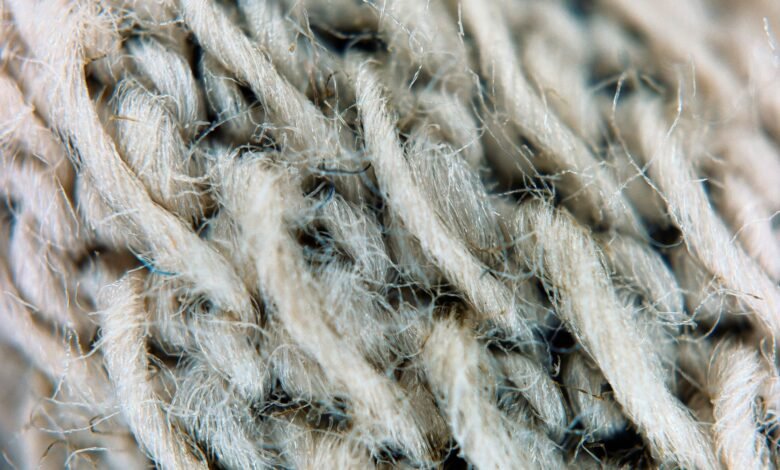
Your merino wool knit keeps shrinking because heat, moisture, and friction hit at once in the wash, triggering felting. Each merino fiber is covered in tiny overlapping scales that lift in warm water and lock together permanently when agitated. Once interlocked, knit gets denser and smaller and will not stretch back. That is felting, not just shrinkage. It is not…
Read More » -
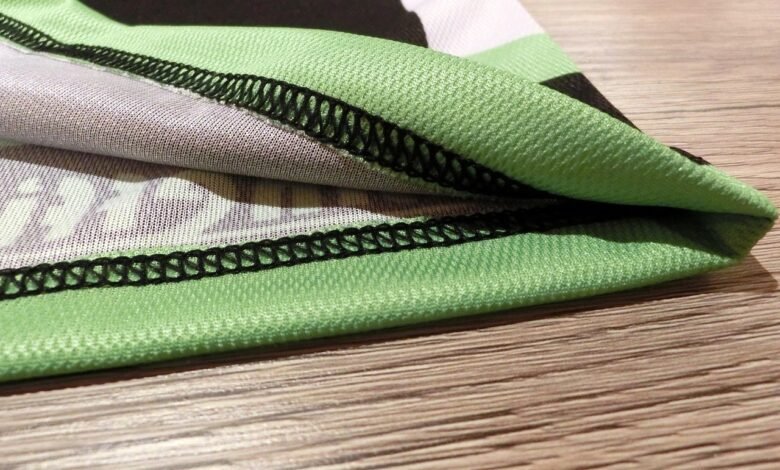
Does Recycled Polyester Pill Faster Than Regular Polyester? What Wash-Cycle Testing Actually Shows
Yes, mechanically recycled polyester typically pills faster than virgin polyester in wash-cycle testing, but gap is smaller than marketing suggests and construction matters more. On 5-point pilling scale where 5 best, most rPET jerseys score 3-4 after five washes while virgin equivalents hold 4-4.5. Reason is lower crystallinity and shorter polymer chains from remelting, which reduces fiber tenacity and lets…
Read More »