
Garment Construction Evaluation
-
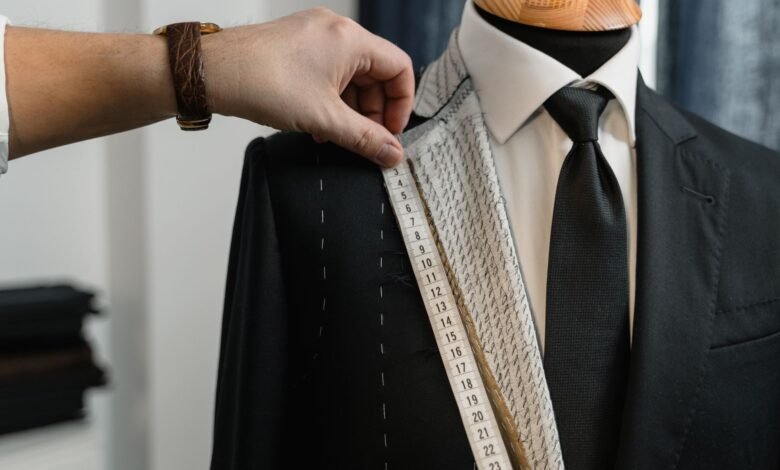
Why Do Blazer Lapels Bubble After Dry Cleaning?
Blazer lapels bubble after dry cleaning when the bond between the face fabric and the interlining underneath was already weak, not simply because the cleaner used too much heat. That bubbling is puckering from delamination — the layers separating from poor bonding — and cleaning heat is often just what reveals a problem that started at the factory. Where the…
Read More » -
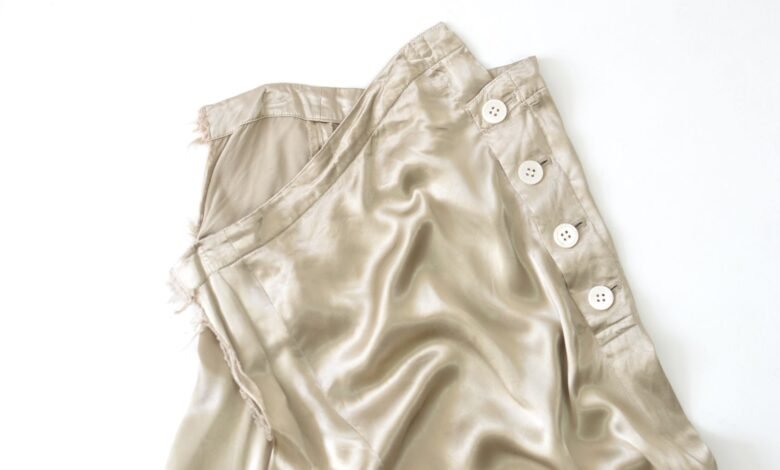
What Makes a Dress Lining Ride Up and Cling Inside?
A dress lining that rides up during the day is usually caused by a length mismatch between the lining and the shell, not just static — a dress that looks smooth in the morning can creep up two centimeters by evening, then bunch at the waist for good after a few washes. Static cling and shrinkage feel similar but need…
Read More » -
Why Do My Pants Seams Pucker After the First Wash?
You bought two pairs of trousers that looked perfectly smooth in the store, and after one wash they show fine ripples along the side seams. That shift is not bad luck in the washer — it is hidden tension or shrinkage difference that only appears after water releases it, and high density for strength trades against low tension for smoothness.…
Read More » -
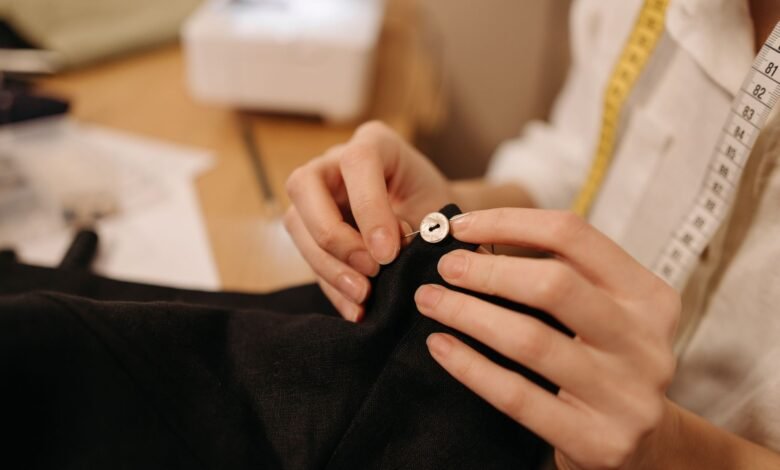
How Do I Know If a Shirt’s Buttons Will Stay On?
A shirt button that falls off after one wash usually failed at the thread, not the fabric — too few stitches, no wrapped shank, and a flat tight sew concentrate all the pulling force on two thin threads that grind against the buttonhole every time you fasten it. You can catch that weakness before you buy by counting thread legs,…
Read More » -
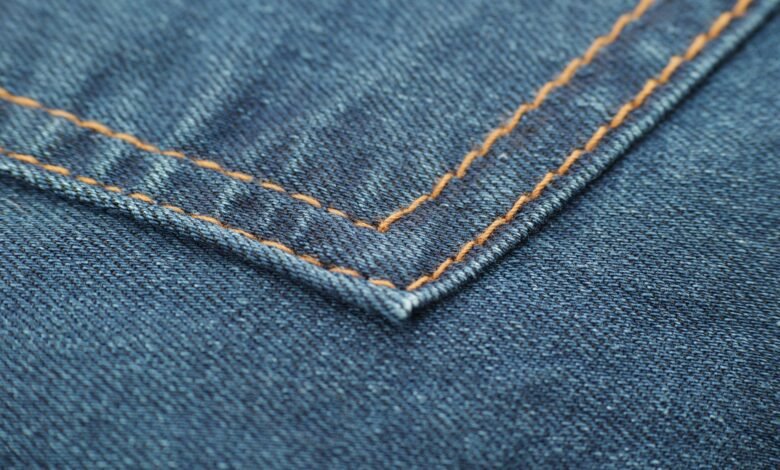
How Can You Spot a Well-Made Hem Without Turning the Garment Inside Out?
A straight hem in the store can still curl after a few wears. You can learn how to tell if a hem is well made without looking inside from outside clues alone. Blind versus topstitched finish, a faint ridge for depth, and side-seam tail map to ASTM D6193 classes and AATCC TM88B grades. Because hem classes come from ASTM D6193…
Read More » -
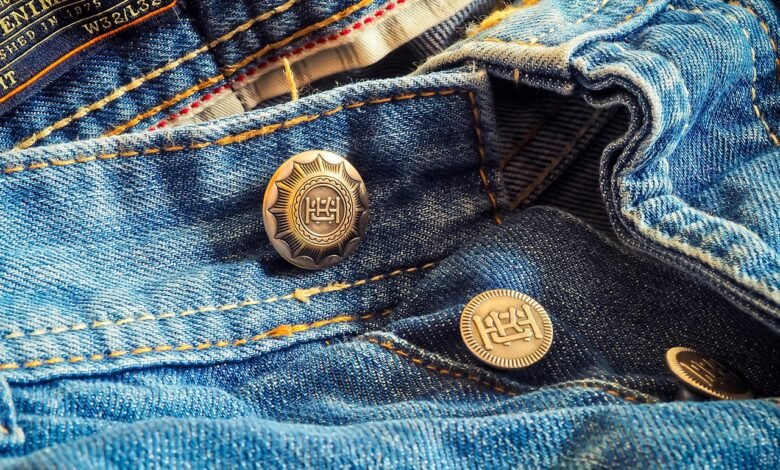
Why Do Some Trousers Hold a Crease and Others Don’t?
Wool doesn’t automatically hold a crease better than cotton — a wool trouser can go flat by noon if its elasticity, finish, and seam placement work against it, and fiber name alone won’t tell you which pair will make it through a workday. Checking those three things before you buy predicts crease retention far better than trusting the label. Wool…
Read More » -
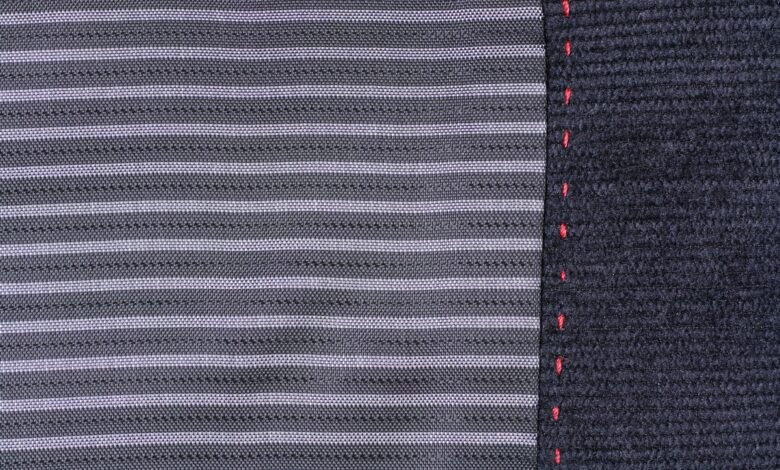
Why Don’t Stripes Line Up at the Side Seam? What It Reveals About Cutting Quality
A well-made shirt can still jog at the side seam because the fabric was bowed or laid off-grain before cutting, not because the sewing is careless — you can tell the difference by measuring the offset in millimeters, checking the grainline against the hem, and reading how much the stripe bows across the fabric width. Industry practice allows stripes to…
Read More » -

Why Does My Knit Dress Sag at the Shoulders After a Day?
A knit dress sags at the shoulders after a day because the seam itself is slipping under the weight of the fabric, not because the knit is stretching out — steaming the droop away fixes it for an hour at most, then gravity pulls it down again. A low stitch count and no stabilizing tape let the yarns travel under…
Read More » -
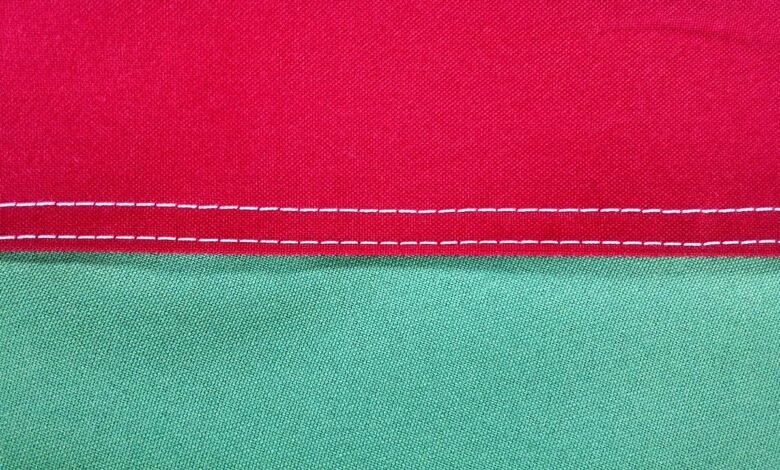
How Can You Tell If a Seam Will Feel Scratchy Before You Buy It?
Flipping a blouse inside out to look for loose threads catches obvious flaws, but it misses whether raw fiber ends can actually touch your skin. The real signal is if the edge is left exposed in an overlocked finish or fully tucked away in a French or bound finish before you buy. You can learn to spot it by how…
Read More » -
Why Does My Favorite T-Shirt Twist to One Side After Washing?
A t-shirt twists to one side after washing because residual twist stored in the yarn was never set during finishing, not because the side seam was sewn crooked. Checking whether the knitted course runs straight across the hem, or climbs uphill toward one side seam, tells you which cause you’re dealing with before the fabric ever touches water. That distinction…
Read More »